

A racket and shuttles are enough to start playing, but a handful of accessories make sessions more comfortable, reduce the risk of injury and save you from the small problems that end a session early: a slippery handle, a snapped string, a blister. This article is a checklist of the ten accessories most badminton players end up using, why each one matters, and which are essential versus optional. Where a topic has its own detailed guide, we link to it rather than repeat it.
The Essentials
1. Replacement grips and overgrips
The grip is the only contact point between you and the racket. Factory grips wear smooth within weeks of regular play, and a worn grip makes you squeeze harder, which slows your wrist and fingers. There are two broad types of wrap:
- Towel grips, which absorb a lot of sweat and feel soft and thick.
- Synthetic (PU) overgrips, which are thinner, tackier and easier to replace.
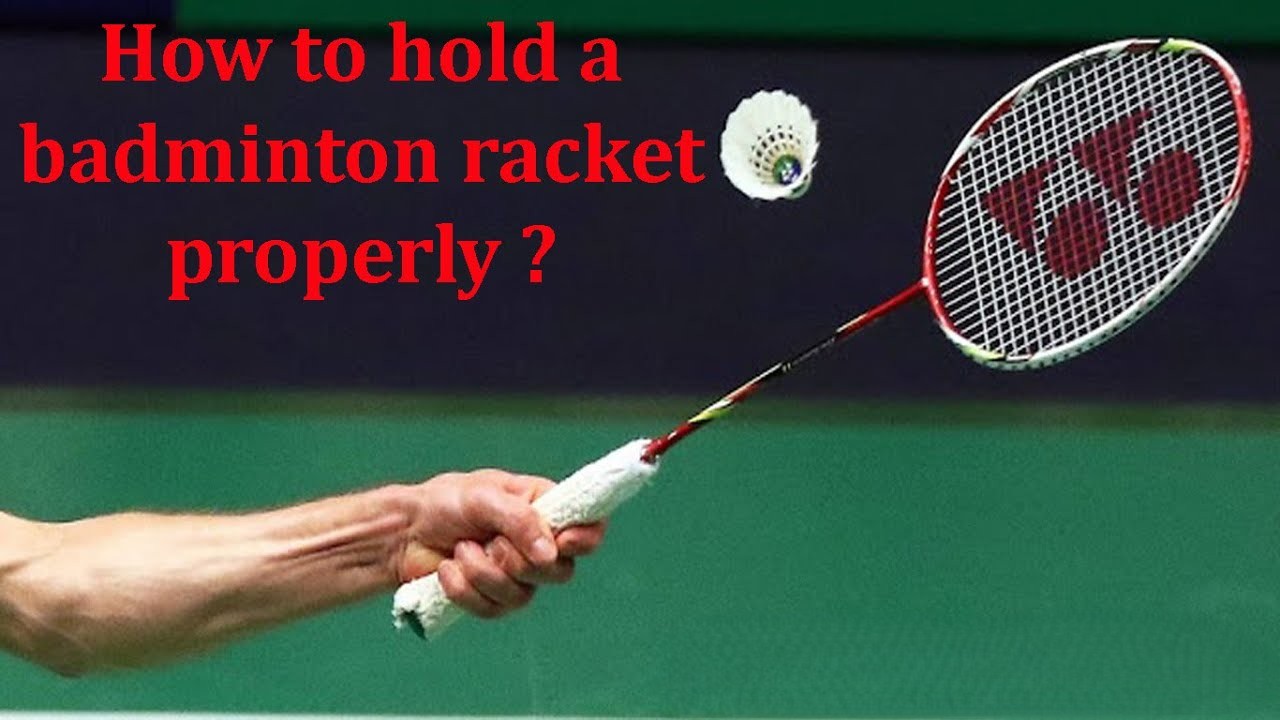
Keep two or three spares in your bag. Our guide to socks, overgrips and grip enhancers covers how to choose and fit them. A fresh grip also helps you hold the racket correctly; see our explanation of badminton grip types.
2. Proper court shoes
Shoes are equipment rather than an accessory, but they are the single purchase that most affects safety. Badminton shoes have non-marking gum soles, a low profile and lateral support for sideways stops. Running shoes are the most common cause of rolled ankles among new players. Our guide on how to choose badminton shoes explains what to look for.
3. Shuttlecocks of the right type and speed
Bring your own tube if your club does not supply shuttles. Nylon suits beginners and casual play; feather suits competitive players. Speed matters too: a shuttle that is too fast for the hall will fly long. Our guide to choosing shuttlecocks for training and matches explains speed ratings and grades.
4. A bag that protects your rackets
A padded bag protects frames from knocks, keeps shoes away from strings and stops shuttle tubes from being crushed. Thermal lining helps in hot weather because heat speeds up tension loss in strings. See our badminton bag buying guide for sizes and features.
5. Water bottle and towel
Badminton is played in warm indoor halls and long sessions cause significant sweat loss. A refillable bottle you can drink from between games, and a small towel to dry your hands, face and racket handle, are basic kit for every session.
Comfort and Protection
6. Wristbands and headbands
Wristbands stop sweat running down your forearm onto the grip. Headbands keep it out of your eyes. Both are cheap and make a noticeable difference in hot halls. Cotton and towelling bands absorb the most; microfibre dries faster.
7. Moisture-wicking clothing
Lightweight shirts and shorts made from technical fabrics dry faster than cotton and do not cling when wet. Shorts or skirts should allow a full lunge without pulling. Some clubs and leagues have clothing rules, such as non-marking shoes or a team shirt, so check before match day.
8. Badminton socks
Cushioned sports socks reduce blisters and help shoes fit securely. Thin cotton socks bunch and slide. The sock and overgrip guide linked above covers sock materials and fit.
9. Supports and tape
Knee sleeves, ankle braces and sports tape can give support and confidence, particularly when returning from an injury. They are not a substitute for strengthening work or proper rehabilitation; if you have a recurring problem, get advice from a physiotherapist on what to wear and when.
Spares and Repairs
10. A spare racket and a small repair kit
Strings break, often at the worst moment. Competitive players carry at least two rackets strung at the same tension so that a broken string does not end a match. Recreational players benefit from a spare too, even an older racket.
A small kit pouch in your bag should hold:
- One or two spare overgrips and the finishing tape that comes with them
- Plasters or blister patches
- Sports tape
- Small scissors
- A spare shirt and socks
- A few spare shuttles
When you restring, choose string and tension to match your level. Our guide to the best badminton strings for power and control explains the options.
What You Can Skip
Not every accessory sold for badminton is useful.
- Vibration dampeners are a tennis accessory. Badminton rackets are light and strung tightly, and dampeners are rarely used in the sport.
- Very thick grip build-ups make it harder to change grips quickly. Most players need only a base grip plus one overgrip.
- Specialist gadgets such as swing trainers or weighted racket covers are optional; good coaching and regular play matter far more.
A Quick Priority Checklist
| Priority | Accessory | Why |
|---|---|---|
| Essential | Court shoes | Grip and ankle safety |
| Essential | Spare overgrips | Secure, relaxed hold |
| Essential | Shuttles (if not supplied) | Correct type and speed |
| Essential | Water bottle and towel | Hydration and dry hands |
| Recommended | Padded bag | Protects rackets and shuttles |
| Recommended | Sports socks, wristbands | Comfort, fewer blisters |
| Recommended | Spare racket | Broken strings happen |
| As needed | Supports and tape | Injury management, on professional advice |
Frequently Asked Questions
What accessories does a beginner actually need?
Court shoes, a spare overgrip, a water bottle and a tube of nylon shuttles. Everything else can be added as you play more.
How often should I replace my overgrip?
When it loses its tackiness, feels smooth or starts to tear. For players training several times a week that can be every week or two; for occasional players, every month or so.
Do professionals use vibration dampeners?
It is rare in badminton. They are standard in tennis, where heavier balls and rackets create more vibration.