

Every badminton player makes mistakes, but beginners tend to make the same ones. Most of them are habits rather than a lack of talent, and habits can be changed. This article goes through ten of the most common beginner mistakes, explains why each one costs you points or causes injury, and gives a simple fix or drill for each. If you are completely new to the sport, start with our beginner’s guide to playing badminton and come back here once you are rallying regularly.
Technique Mistakes
1. Holding the Racket Too Tightly (or With a “Frying Pan” Grip)
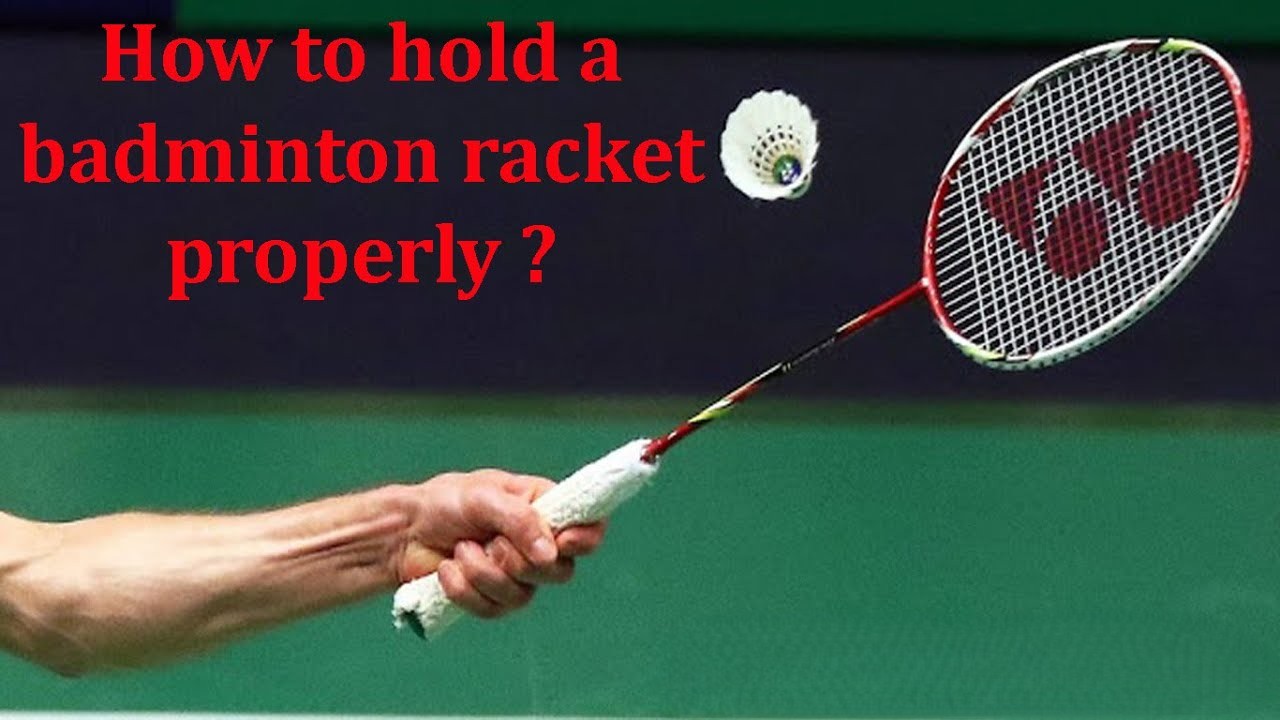
The problem: Many beginners hold the racket with the face pointing at the ceiling, like a frying pan, and squeeze it hard throughout the rally. This grip makes backhands almost impossible and limits the forearm rotation that generates power. A tight grip also slows your reactions and tires your forearm.
The fix: Use a handshake grip with the racket edge facing you, and keep your hand relaxed between shots. Tighten your fingers only at the moment of impact. Our guide on how to hold a badminton racket properly covers forehand and backhand grips.
Drill: During a gentle rally, deliberately relax your grip after each hit until you can feel the racket loosely in your fingers, then squeeze on contact.
2. Hitting With the Arm Only
The problem: Beginners often swing with a straight, stiff arm from the shoulder. The result is weak clears that land mid-court and a strained shoulder.
The fix: Overhead shots use a throwing action. Turn your body sideways, lift your non-racket arm to point at the shuttle, bend your racket arm with the elbow high, then rotate your hips and shoulders forward as your forearm rotates through the shot.
Drill: Practise throwing an old shuttle overarm as far as possible. The motion you use is close to a good clear.
3. Trying to Smash Everything
The problem: The smash is exciting, so beginners try it from anywhere, including from behind the baseline or off balance. Smashes from poor positions are slow, easy to return and leave you out of position.
The fix: Smash only when you are behind the shuttle and it is in front of you. From deep in the court, a clear or drop shot is usually the smarter choice. Variety – clear, drop and smash from the same preparation – wins more points than raw power.
4. A Weak or Inconsistent Serve
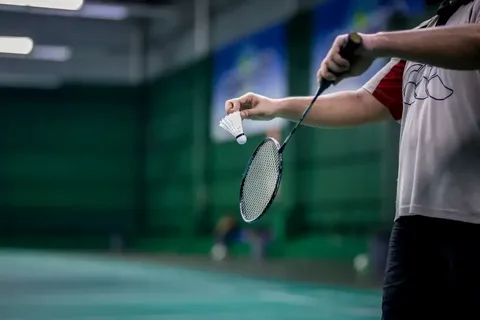
The problem: A serve that floats too high in doubles invites an attack, and a high serve that lands mid-court in singles gives your opponent an easy smash. Missed serves simply give away points.
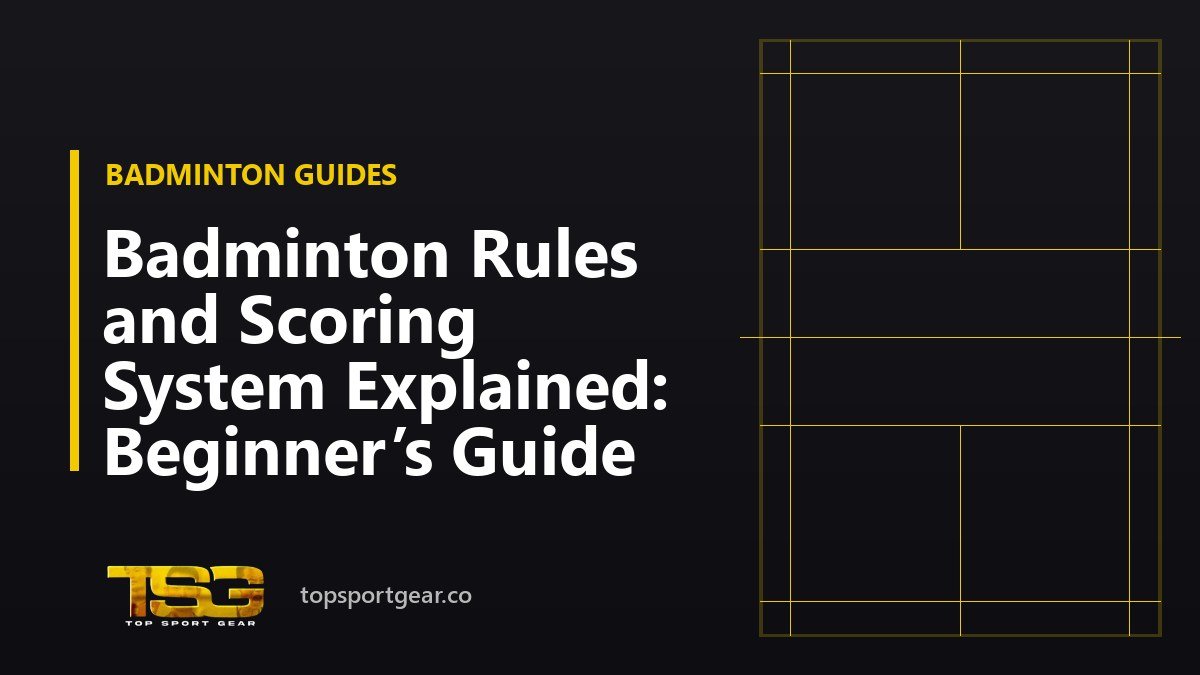
The fix: Pick one low serve and one high serve and practise them until they are reliable. Remember the shuttle must be struck below 1.15 m from the floor under current BWF Laws. Our guide to badminton rules and scoring explains the serving rules and which court you serve from.
Drill: Take a bucket of shuttles and aim twenty low serves at a target placed just beyond the short service line. Count how many land in.
5. Not Watching the Shuttle Onto the Racket
The problem: Beginners often look at their opponent or the target too early and mis-hit the shuttle off the frame.
The fix: Keep your eyes on the shuttle until contact, then look up. Tracking the shuttle with your non-racket hand on overhead shots also helps.
Movement and Positioning Mistakes
6. Flat-Footed Waiting and No Recovery
The problem: After hitting, many new players stand and watch their shot. By the time the shuttle comes back, they are a step late.
The fix: After every shot, move back towards your base (roughly the centre of the court in singles). As your opponent hits, perform a small split-step – a light hop that lands you on the balls of your feet, ready to push off in any direction.
Drill: Shadow footwork: move from the centre to each corner, mimic a shot and return to the centre, for 30 seconds at a time. Our footwork drills for beginners give step-by-step patterns.
7. Standing Too Close to the Net (or Too Far Back)
The problem: Beginners often drift to the front of the court because it feels more active, which leaves the back of the court open to simple clears. Others camp on the baseline and cannot reach drop shots.
The fix: In singles, your base should be roughly in the middle of the court, slightly behind the short service line area, so you can reach both the net and the back corners. In doubles, use the basic formations: side-by-side when defending, front-and-back when attacking.
8. Running Instead of Lunging at the Net
The problem: Running all the way to the net with small steps is slow and often ends with the player crashing into the net or reaching with the arm only.
The fix: For forehand and backhand net shots, finish with a lunge: racket foot forward, heel landing first, knee over the ankle, back leg extended. Push back from the lunge to recover.
Preparation and Equipment Mistakes
9. Skipping the Warm-Up
The problem: Badminton involves sudden lunges, jumps and changes of direction. Starting cold increases the risk of calf, hamstring and Achilles strains, and you tend to play poorly for the first fifteen minutes.
The fix: Spend five to ten minutes on light jogging or skipping, dynamic stretches (leg swings, lunges with a twist, arm circles) and a few minutes of gentle rallying before playing points. See our best warm-up exercises for badminton players for a complete routine.
10. Using the Wrong Racket or Shoes
The problem: A heavy, head-heavy or very stiff racket is hard for a beginner to swing quickly and can contribute to wrist and elbow pain. Running shoes, with thick heels and little lateral support, make ankle rolls more likely.
The fix: Choose a light to medium, even-balanced racket with a flexible or medium shaft, and play in indoor court shoes with non-marking soles. Our guide on choosing your first badminton racket explains what to look for.
How to Fix Mistakes Faster
- Work on one thing at a time. Trying to fix grip, footwork and serve in one session rarely works. Pick one focus per session.
- Film yourself. A short phone video from behind the court shows mistakes you cannot feel, such as a straight arm or late recovery.
- Play with slightly better players. They punish weak shots and force you to move, but are close enough in level that rallies still happen.
- Do short, frequent drills. Ten focused minutes of serving or shadow footwork before a casual game adds up quickly over a month.
- Build basic fitness. Many “technique” errors late in a session are really fatigue. Regular badminton plus some running, skipping and leg strength work improves your consistency.
Frequently Asked Questions
What is the most common beginner mistake in badminton?
The grip. A frying-pan grip held too tightly limits almost every shot, especially backhands. Fixing it early makes everything else easier.
How long does it take to fix bad habits?
It varies, but with focused practice two or three times a week, most players notice clear progress on a single habit within a few weeks. Old habits tend to return under pressure, so keep practising even after it feels fixed.
Why does my shuttle always land short?
Usually because contact is late (the shuttle has dropped behind you), the arm is straight and stiff, or the body is not turned sideways. Move behind the shuttle earlier and use a relaxed throwing action.