
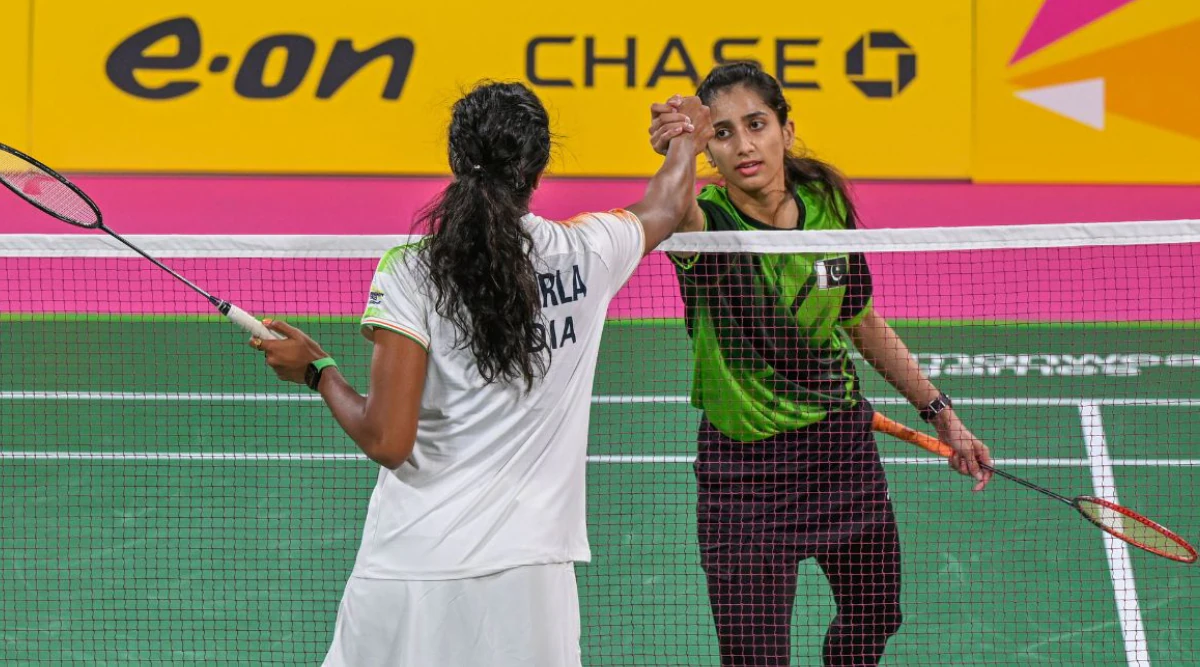
Cricket dominates the sporting conversation in Pakistan, with hockey and squash holding a proud place in the country’s history. Badminton has never had the same headlines, yet it has been played in Pakistan’s schools, colleges, clubs and neighbourhoods for generations. This article looks at where the sport came from, how it is organised in Pakistan, the players who have represented the country, and the challenges and opportunities facing Pakistani badminton today.
Early History: From the Subcontinent to Pakistan
The modern game of badminton has deep roots in the Indian subcontinent. Shuttlecock games had been played in many cultures for centuries, but the version that became badminton took shape in the second half of the 19th century, when British army officers stationed in India played a net game with rackets and shuttles. Early versions of the rules were drawn up in the cantonments of British India before the game was formalised in England, where it took its name from Badminton House, the Duke of Beaufort’s estate in Gloucestershire. You can read more about these origins in our collection of fun facts about badminton.
Because the game spread through military stations, government institutions, schools and clubs across the region, badminton was already familiar in the areas that became Pakistan at independence in 1947. It was a natural fit for South Asian conditions: it needs little space, can be played in a courtyard or a school hall, and the equipment is inexpensive compared with many other sports.
How Badminton Is Organised in Pakistan
The National Federation
Badminton in Pakistan is governed by the Pakistan Badminton Federation (PBF), which was formed in 1953 and is affiliated with the Badminton World Federation (BWF) and the regional body, Badminton Asia. The federation is responsible for national championships, selecting national teams and entering players into international events.
Provinces, Departments and Institutions
Like many Pakistani sports, badminton has traditionally been organised through provincial associations and departmental teams. Provincial and regional associations run local competitions, and national events include teams from the provinces, Islamabad, Azad Jammu and Kashmir and Gilgit-Baltistan. Departmental teams such as WAPDA, the Army, Railways and banks like NBP have long been important for players, because they offer training opportunities and, for some athletes, employment. School and university competitions remain a key entry point for young players.
The National Championships
National championships are the main stage for domestic players. They decide the country’s champions in singles and doubles events and are an important part of national team selection. Winning a national title is the highest domestic achievement for a Pakistani player.
Pakistani Players on the International Stage
Pakistan has not yet produced a player who regularly contends for titles on the elite BWF World Tour, but a number of players have represented the country in regional and international competitions.
Mahoor Shahzad
Mahoor Shahzad is the best-known Pakistani badminton player of recent years. A multiple national champion in women’s singles (her run of consecutive titles had reached six by 2022), she represented Pakistan in women’s singles at the Tokyo 2020 Olympic Games, which were held in 2021 – a landmark moment for badminton in the country. She has also competed in BWF international events abroad and has been a role model for young girls taking up the sport in Pakistan.
Other National Champions
Players such as Murad Ali have been among the leading names in men’s badminton in Pakistan, winning several national men’s singles titles and representing the country abroad, including at the Birmingham 2022 Commonwealth Games. Many other national champions have built their careers mainly in domestic competition and through regional events in South Asia.
How International Players Earn Ranking Points
For players from developing badminton nations, the route onto the world stage usually runs through lower-tier BWF events such as the International Series and International Challenge. These tournaments award fewer points than the top World Tour events, but they allow players to build a world ranking. Our guide to the BWF ranking system explains how these points add up and why ranking matters for qualification to major events, including the Olympics.
Where Badminton Is Played in Pakistan
Badminton is played across the country, from informal games in streets and courtyards to indoor courts at sports complexes. Large cities such as Karachi, Lahore and Islamabad have the most developed facilities, including indoor halls at public sports complexes, university courts and private clubs. Indoor courts with proper flooring, lighting and ceiling height are still limited in many smaller towns, which is one reason informal outdoor play remains common.
Outdoor badminton is a popular social activity, especially in the evenings and during the cooler months, and many people first pick up a racket at family gatherings or in their neighbourhood. If you are starting out this way, our beginner’s guide to playing badminton covers the rules, equipment and first skills to learn.
Challenges Facing Badminton in Pakistan
- Facilities: there are relatively few dedicated indoor badminton halls that meet international standards for court surface, lighting and ceiling height.
- Funding and sponsorship: cricket attracts most sponsorship and media attention, leaving less money for coaching, travel and competitions in sports like badminton.
- International exposure: players need to compete abroad regularly to gain ranking points and experience, which is expensive without support.
- Coaching pathways: structured coach education and long-term player development programmes are still developing.
- Equipment costs: quality feather shuttles and rackets are often imported, which makes regular high-level training costly.
The Future of Badminton in Pakistan
There are good reasons for optimism. Badminton is affordable to start, popular at school and university level, and increasingly visible through online streaming of international events. Mahoor Shahzad’s Olympic appearance showed young Pakistani players that the world stage is reachable. Asian badminton powerhouses such as China, Indonesia, Malaysia, India and Japan have shown how sustained investment in junior programmes, coaching and facilities can transform a country’s results over a generation. For a wider view of how badminton grew into a global sport, see our brief history of Olympic badminton.
Progress for Pakistan is likely to depend on a few practical steps: more indoor courts in schools and public facilities, structured coaching for juniors, more regular domestic competitions, and support for promising players to compete internationally.
Frequently Asked Questions
Who is Pakistan’s most famous badminton player?
In recent years, Mahoor Shahzad has been the most prominent, as a multiple national women’s singles champion and Pakistan’s representative in women’s singles at the Tokyo 2020 Olympics.
Who governs badminton in Pakistan?
The Pakistan Badminton Federation, which is a member of the Badminton World Federation and Badminton Asia.
Is badminton popular in Pakistan?
It is widely played recreationally and in schools and universities, but it receives far less media coverage and sponsorship than cricket.