
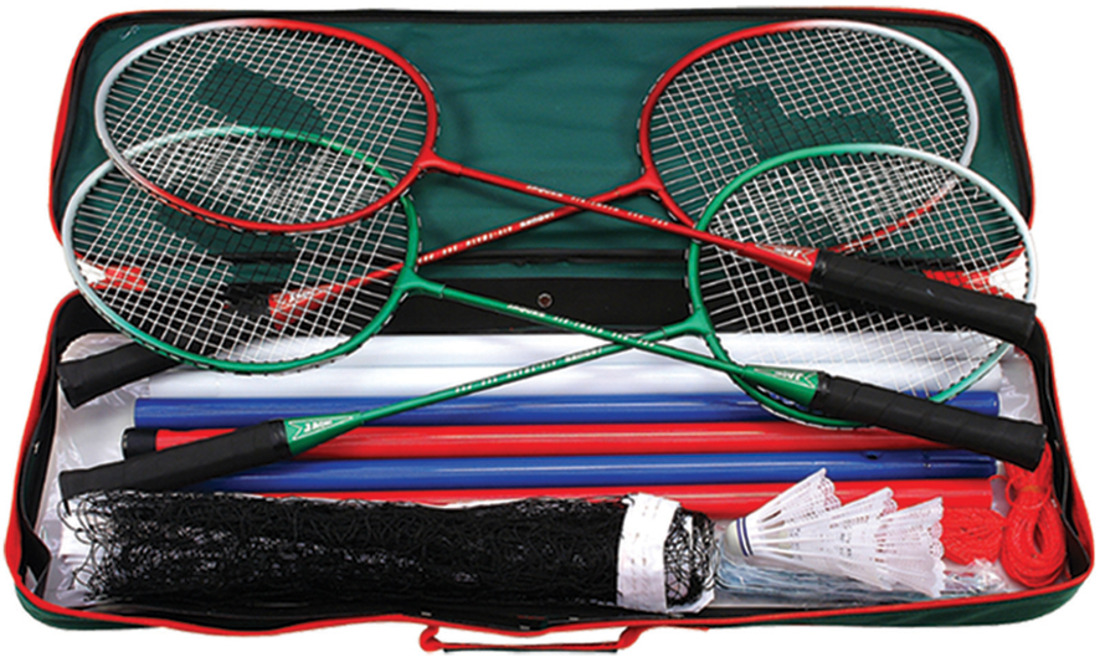
A badminton bag does more than carry things. It protects rackets from knocks and heat, keeps shuttle tubes from being crushed, and separates sweaty shoes and clothes from your strings and grips. The right size and layout also make it easier to arrive at training or a tournament with everything you need.
This guide covers the main types of badminton bag, which features are worth paying for, how to size a bag to your kit, and what the major brands’ ranges are designed for. If you want to know what to put in the bag, see our list of essential badminton accessories.
Types of Badminton Bag
Racket covers and single-racket bags
Many rackets come with a thin full or half cover. These protect against scratches but not impacts or heat. A padded single-racket bag is enough for a casual player who carries one racket and a tube of shuttles.
Backpacks
Badminton backpacks usually hold two or three rackets in a rear compartment, plus a shoe pocket at the bottom and space for clothes. They are the most comfortable option for walking, cycling or public transport, and suit recreational and club players who carry a modest amount of kit.
Rectangular racket bags (3, 6, 9 or 12 rackets)
The classic badminton bag is a long rectangular bag carried on the shoulder or as a backpack. Brands describe size by the number of rackets it holds, though in practice that number assumes the racket compartment is full and nothing else is in it.
- 3- or 6-racket bags suit most club players: two or three rackets, shoes, a change of clothes and a few tubes of shuttles.
- 9- or 12-racket bags suit competitive players who carry several rackets strung at different tensions, plus spare clothes and food for a long tournament day. They are heavy when full.
Tournament and pro bags
The largest bags have three or more main compartments, often including a thermally lined racket section, a ventilated shoe section and a separate compartment for clothes. They are designed for players who travel to events and carry everything for a full day.
Features Worth Paying For
Thermal lining for rackets
Heat is bad for rackets and strings. Strings lose tension faster in heat, and leaving a racket in a hot car can soften the frame’s resin. A thermally lined racket compartment slows heat transfer. It will not protect a racket left in a parked car for hours, but it helps on the way to the hall. Our string tension guide explains how heat and time affect tension.
A separate, ventilated shoe compartment
Keeping shoes apart stops grit and sweat reaching your rackets and grips. Ventilation holes or mesh let shoes dry and reduce odour.
Space for shuttle tubes
Feather shuttles are easily crushed. A bag with a firm side pocket or a compartment that holds tubes upright protects them. See our guide to choosing shuttlecocks for training and matches for more on keeping shuttles in good condition.
Comfortable straps
Padded, adjustable shoulder straps matter more than most features once a bag is full. Many rectangular bags can be carried as a backpack, which spreads the load evenly over both shoulders.
Durable fabric and zips
Zips are the most common failure point. Chunky, smooth-running zips and reinforced stitching at the strap anchors last longer. Water-resistant fabric helps if you walk or cycle to the hall.
Small pockets for small items
Overgrips, a spare string, plasters, keys and a phone get lost in a large compartment. One or two zipped accessory pockets keep them findable.
How to Choose the Right Size
- Lay out everything you take to a session. Rackets, shoes, clothes, towel, water bottle, shuttle tubes and accessories.
- Count your rackets honestly. Most club players carry one to three. Buying a 12-racket bag for two rackets just adds bulk.
- Think about how you travel. A backpack is easier on foot or by bike. A large rectangular bag is fine if you drive.
- Allow for tournaments. If you compete, you will carry food, spare clothing and more shuttles. A bag with one size of headroom is useful.
- Check the empty weight. Large multi-compartment bags can be surprisingly heavy before you put anything in them.
Bag Types by Player
| Player | Typical kit | Suggested bag |
|---|---|---|
| Beginner or casual player | 1 racket, shoes, a tube of shuttles | Padded racket cover or small backpack |
| Regular club player | 2–3 rackets, shoes, clothes, towel | Backpack or 6-racket bag |
| League or tournament player | 3+ rackets, two pairs of shoes, spare clothes, food | 9- or 12-racket bag with thermal racket compartment |
| Coach | Rackets plus many shuttle tubes, cones, water | Large multi-compartment bag or wheeled holdall |
If you are just starting out, a beginner kit may already include a basic carry bag. Our guide to budget badminton kits for beginners explains what those sets usually contain.
What the Main Brands Offer
Model names and codes change almost every season, so it is more useful to know how each brand organises its range than to chase a specific code.
- Yonex splits its bags into tiers, typically Expert and Pro ranges for competitive players (larger, with thermally lined racket compartments on many models), a mid-range Active series for regular players, and a simpler, more affordable Team series aimed at club nights and casual play. Racket and tennis backpacks sit alongside these.
- Victor makes rectangular racket bags in several sizes, backpacks and tournament bags, often with matching designs to its racket series.
- Li-Ning offers racket bags and backpacks across price levels; availability depends heavily on country.
- FZ Forza, Babolat, Apacs and other brands also make badminton-specific bags and backpacks. Babolat’s range includes both tennis and badminton bags, so check that a bag’s racket compartment is sized for badminton rackets.
Buy from the brand’s authorised retailers. Counterfeit bags are common online, and they often use thin padding, weak zips and no real thermal lining.
Packing and Caring for Your Bag
- Put rackets in last and on top. Heavy items pressing on the racket compartment can bend frames.
- Empty damp clothes and towels straight after play. Leaving them in the bag causes odour and mildew.
- Air the shoe compartment. Leave it unzipped overnight after a session.
- Wipe the bag with a damp cloth. Most bags should not go in the washing machine; check the care label.
- Do not overfill. Forcing zips closed is the fastest way to break them.
- Never leave the bag in a hot car. Thermal lining helps for short trips, not hours in direct sun.
Frequently Asked Questions
Do I need a thermal bag for my rackets?
Not if you carry rackets for short journeys in mild weather. In hot climates, or if your rackets spend time in a car, a thermally lined compartment is worth having.
Is a backpack or a rectangular bag better?
Backpacks are better for carrying distances and for players with two or three rackets. Rectangular bags hold more and protect rackets better when you carry several.
Can I use a tennis bag for badminton?
Yes. Badminton rackets fit easily in a tennis racket compartment. The only downside is that the bag may be bulkier than you need.