
Turning Defense into Dominance in Badminton
In badminton, defense is not just about surviving rallies — it’s about creating opportunities to strike back. A strong defensive game can frustrate aggressive opponents, force them into mistakes, and ultimately turn the match in your favor. Whether you’re a beginner learning to handle smashes or an intermediate player refining your counterattacks, mastering defensive techniques is essential for long-term success.
Badminton defense is built on four main pillars: positioning, anticipation, reaction speed, and control. Let’s explore how you can improve each aspect to become a solid all-round player capable of handling any offensive pressure.
Understanding the Role of Defense in Badminton
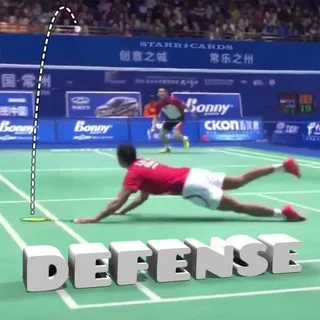
Defense in badminton doesn’t mean passive play. A great defender uses smart positioning, efficient movement, and quick reflexes to absorb attacks and respond with precision. The purpose of a defensive strategy is to:
-
Neutralize your opponent’s smashes or drives.
-
Regain court control after being forced into a tough position.
-
Transition smoothly from defense to counterattack.
Players like Kento Momota and Viktor Axelsen are prime examples — both use exceptional defensive play to control tempo and wear down their opponents before launching their own attacks.
1. Mastering the Defensive Stance
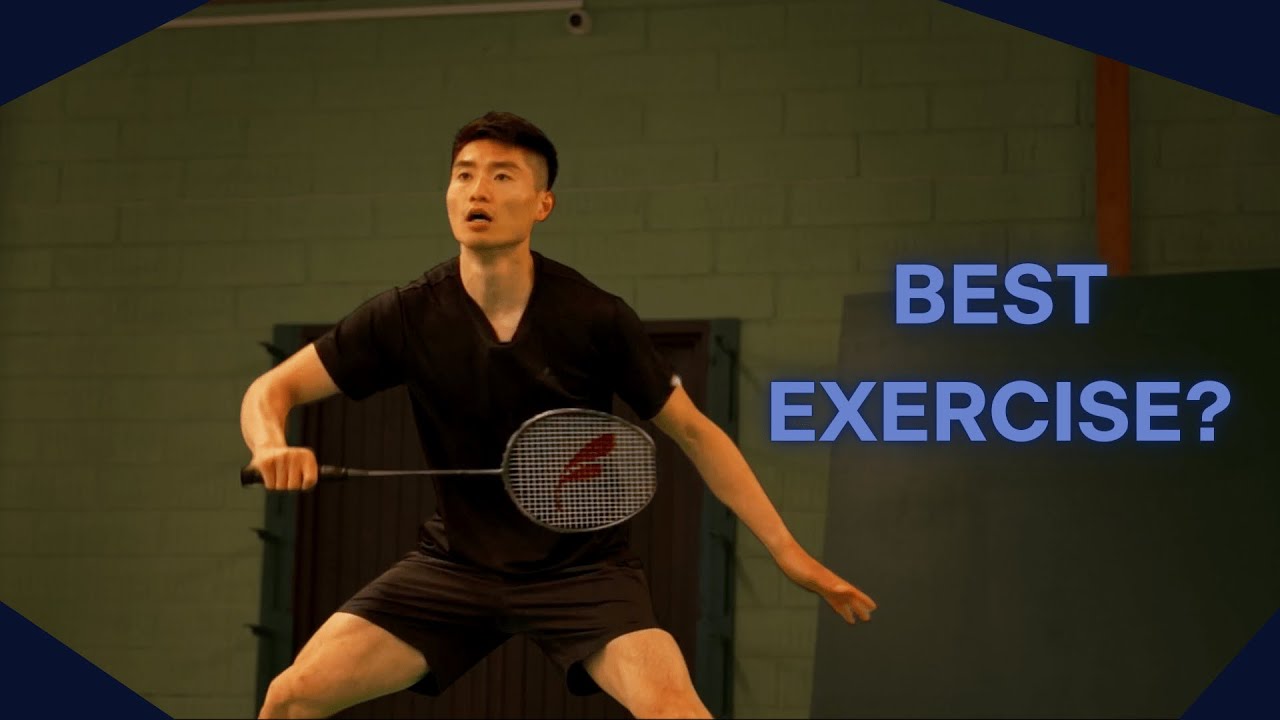
The first step to better defense is adopting the correct stance. Your defensive position should make it easy to react instantly to any shot.
-
Feet Position: Keep your feet slightly wider than shoulder-width apart.
-
Knees Bent: Stay in a semi-crouched position to move quickly in any direction.
-
Weight Distribution: Balance your weight on the balls of your feet — not your heels.
-
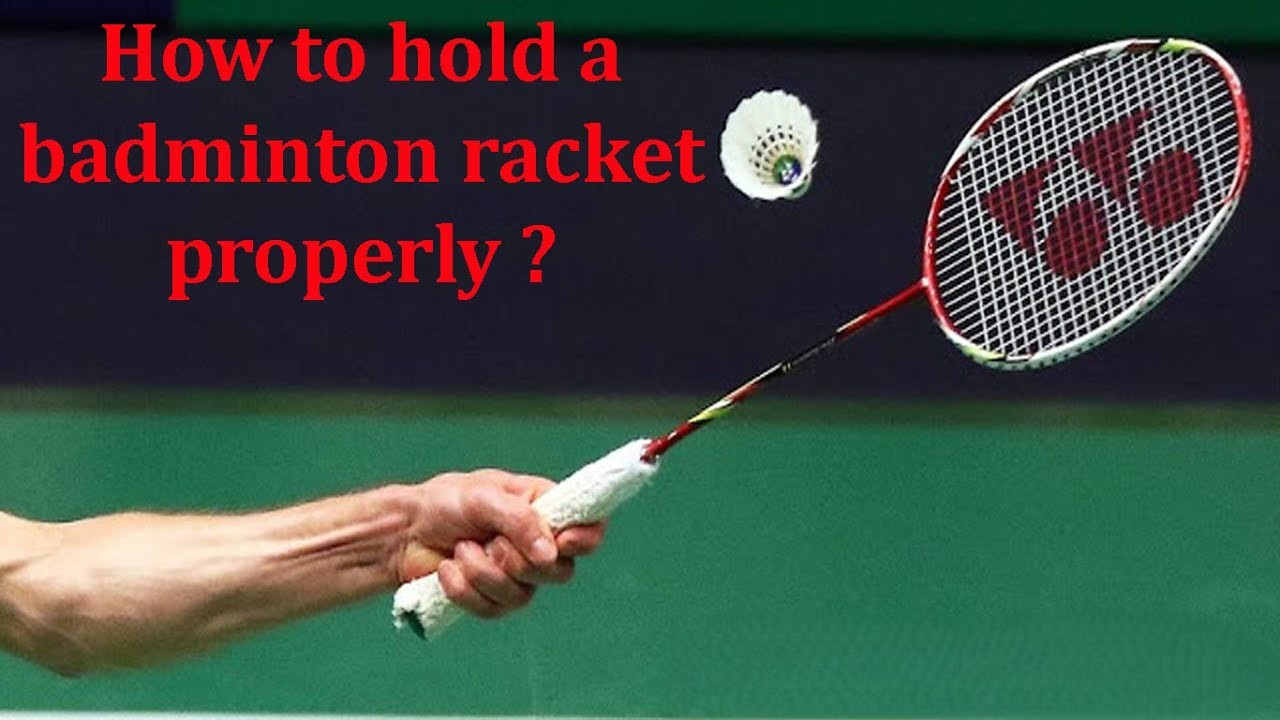
Racket Position: Hold the racket in front of your body at chest level, ready for quick drives or blocks.
This ready position allows you to react instantly to both smashes and drop shots.
2. Reading Your Opponent’s Movements
Anticipation is one of the most critical skills in badminton defense. The earlier you can predict your opponent’s next shot, the more time you have to prepare your response.
Watch for cues such as:
-
The racket angle — a steeper angle often signals a drop or slice.
-
The shoulder position — indicates whether a smash or clear is coming.
-
The body balance — leaning forward may mean a fast drive, while a backward lean could suggest a lift.
Professional players spend years training to read these subtle signs. The better your anticipation, the more effective your defense becomes.
3. Defensive Footwork – Staying Mobile and Balanced
Good footwork is the foundation of every defensive move. Without proper positioning, even quick reflexes won’t save you.
Key defensive footwork principles include:
-
Stay Light: Keep your feet active and avoid standing flat-footed.
-
Recover Fast: After returning a shot, move quickly back to your base position.
-
Use Small Steps: Instead of large jumps, use quick side shuffles for better balance.
-
Lower Your Center of Gravity: This helps absorb impact and maintain stability during fast exchanges.
Practicing defensive footwork drills — such as shadow movements and split-step training — can drastically improve your reaction time and coordination.
4. Handling Smashes with Confidence
Smash defense is one of the toughest aspects of badminton. When facing powerful smashes, your goal is to control the shuttle instead of simply blocking it.
There are three effective defensive responses:
-
Drive Return: Push the shuttle flat and fast back over the net, forcing your opponent to react quickly.
-
Lift Return: Hit a high and deep shot to the backcourt to reset the rally and gain time.
-
Block Return: Gently absorb the power and let the shuttle drop near the net, disrupting your opponent’s rhythm.
For effective smash defense, keep your racket in front and use a relaxed grip — this allows the shuttle to rebound naturally without losing control.
5. Improving Reflexes and Reaction Time
Badminton defense relies heavily on lightning-fast reactions. You often have less than half a second to respond to a 300 km/h smash.
You can improve your reflexes through:
-
Reaction Drills: Have a partner feed shuttles unpredictably so you must react instantly.
-
Wall Practice: Hit the shuttle repeatedly against a wall at high speed to enhance timing.
-
Focus Training: Track the shuttle closely at all times to anticipate contact points.
Regularly training your visual focus and hand-eye coordination will make your defensive responses more instinctive.
6. The Art of Defensive Lifts
A lift is a defensive shot that sends the shuttle high and deep into the opponent’s court. It’s often used to recover from a pressured situation or counter an attacking shot.
When executing a lift:
-
Use a gentle wrist motion combined with a smooth upward swing.
-
Focus on height and distance, not speed.
-
Direct the lift to your opponent’s backhand side when possible, making it harder for them to attack.
The lift is not just a survival shot — it’s a strategic tool that can buy time and reset the rally.
7. Defensive Blocks and Drives
Blocks and drives are ideal for returning fast-paced smashes or pushes. They require precision rather than power.
-
Block Shot: Use a soft touch to absorb the opponent’s power. Aim to drop the shuttle close to the net.
-
Drive Return: Keep the shuttle flat and push it horizontally over the net to maintain pressure.
Practicing these techniques consistently helps build a balanced defense that keeps your opponent guessing.
8. Transitioning from Defense to Attack
The best defenders don’t just return shots — they turn defense into offense. After a strong block or lift, look for opportunities to attack.
For instance:
-
After a deep lift, step forward to intercept weak returns with a net kill.
-
After a drive return, take advantage of the open court created by your opponent’s recovery movement.
By maintaining composure under pressure, you can surprise your opponent with fast transitions and seize control of the rally.
9. Common Mistakes in Badminton Defense
Even skilled players can weaken their defense with small errors. Watch out for these common issues:
-
Holding the racket too low or too tight.
-
Standing too upright instead of keeping knees bent.
-
Overcommitting to one side before reading the shot.
-
Poor recovery after returning a smash.
Fixing these habits can significantly improve your defensive consistency and stability.
Building a Resilient Badminton Defense
A great badminton defender doesn’t just block shots — they control the rhythm of the game. Defense is about patience, precision, and confidence. When you master these defensive techniques, you gain the ability to withstand pressure, frustrate attackers, and dominate longer rallies.
With consistent practice and the right mindset, your defensive skills will evolve into one of the most powerful weapons in your game.