
Children and teenagers need a different kind of racket from adults. The goal is not maximum power but a racket that is light, the right length and the right grip size, so a young player can swing freely, learn correct technique and avoid strain. This guide explains what to look for at each age, the types of junior racket available, and how to tell when a child is ready to move up to an adult frame.
For a general explanation of racket specifications such as weight, balance and flex, see our badminton racket buyer’s guide.
What Young Players Need in a Racket
When kids or teens start playing, comfort, manageable weight, control and durability matter most. Adult performance rackets are often designed for high string tension and fast, powerful swings. A youth racket should instead help build technique and confidence.
- Weight: a lighter racket lets a young player swing faster and control the racket head. A racket that is too heavy encourages a stiff arm and a pushing action instead of a proper swing.
- Grip size: children have smaller hands, so they need a thinner handle. In Yonex and Victor sizing, a higher G number means a thinner grip; G5 and thinner are common choices for juniors.
- Length: younger children benefit from a shorter racket. Standard adult rackets are typically around 665–675 mm long (Yonex’s standard length is 665 mm and its “long” models add 10 mm; the Laws of Badminton allow up to 680 mm), while junior rackets are shorter; Yonex’s Muscle Power 2 Junior, for example, is 21 in (about 53 cm).
- Balance and flex: an even or head-light balance and a flexible shaft make it easier to learn technique rather than relying on raw power.
Choosing by Age and Size
The age bands below are general guidance rather than an official standard, and brands size their junior rackets differently. Use age as a starting point, but always check the child’s height, strength and how often they play.
| Age (approx.) | Racket type | What to look for |
|---|---|---|
| Under 8 | Short junior racket | Noticeably shorter than adult length, light, small grip; durable frame for knocks |
| 8–12 | Junior racket | Shorter than adult length or close to it for taller children; light and easy to swing |
| 12–15 | Junior or light adult racket | Adult length is often fine; choose a light weight class (4U or 5U) and thin grip |
| 15+ and training regularly | Adult racket | Light to medium weight, flexible or medium shaft, even balance to start |
A simple test: the child should be able to hold the racket out at arm’s length in a relaxed grip without the head dropping, and make several overhead swings without the elbow collapsing. If they cannot, the racket is too heavy or too long.
Features That Matter Most for Kids and Teens
- Durability: children drop rackets, scrape the floor and clash with partners, so the frame and shaft should be robust. For very young beginners, a sturdy aluminium or composite junior racket can make sense; a graphite racket is better once they play regularly.
- Moderate string tension: juniors do not need high tension. Lower tension gives a bigger sweet spot and more depth on shots.
- Forgiving head shape: an isometric (squarer) head enlarges the sweet spot so mis-hits still travel, which builds confidence.
- Comfortable grip: the right size, plus a fresh overgrip, prevents hand fatigue and encourages a relaxed hold.
- Room to grow: as the player improves, you can upgrade the strings or grip before replacing the racket.
Types of Junior Racket Available
Most major brands, including Yonex, Victor, Li-Ning, Apacs and Carlton, sell junior or youth rackets, often as part of an entry-level series. Model names change frequently and vary by country, so rather than chasing a particular model, look for these categories:
- Short junior rackets: designed for young children, usually robust and inexpensive. Ideal for school and early club sessions.
- Full-length junior rackets: adult length but lighter and with a thinner grip. Good for older children and young teens who play regularly.
- Light adult rackets: for teens who train several times a week, a light adult graphite racket (4U or 5U) with a flexible shaft is often the best step up.
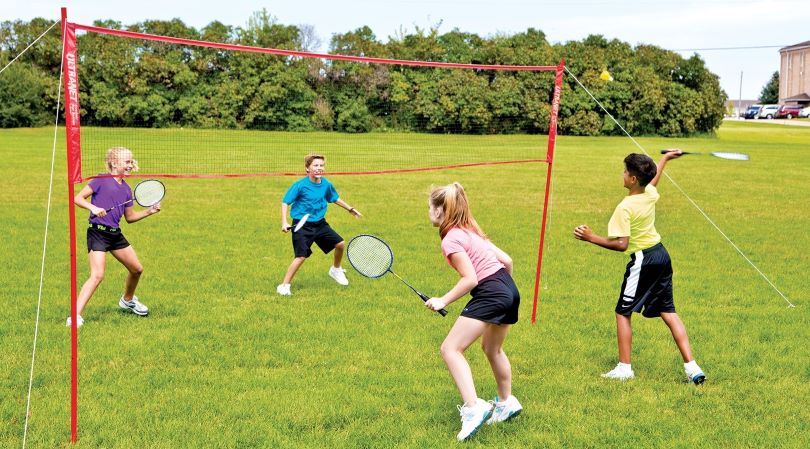
- Family and starter sets: sets with two or four rackets and shuttles are fine for garden games, but the rackets are often heavy and basic, so they are not ideal for a child joining a club.
If an older teenager is moving on to adult equipment, our guide to choosing your first badminton racket covers the next step in detail.
How to Pick One for Your Player
- Casual play once or twice a week: an inexpensive, durable junior racket is enough.
- Regular club training: choose a graphite junior racket or light adult racket in the correct length and grip size.
- Teens moving towards competition: an adult-length graphite racket with youth-friendly weight and grip, chosen with input from their coach.
Also consider how easily you can buy replacement strings and grips locally, and the cost of replacing the racket if the child grows quickly.
Teach the Grip Before Worrying About the Racket
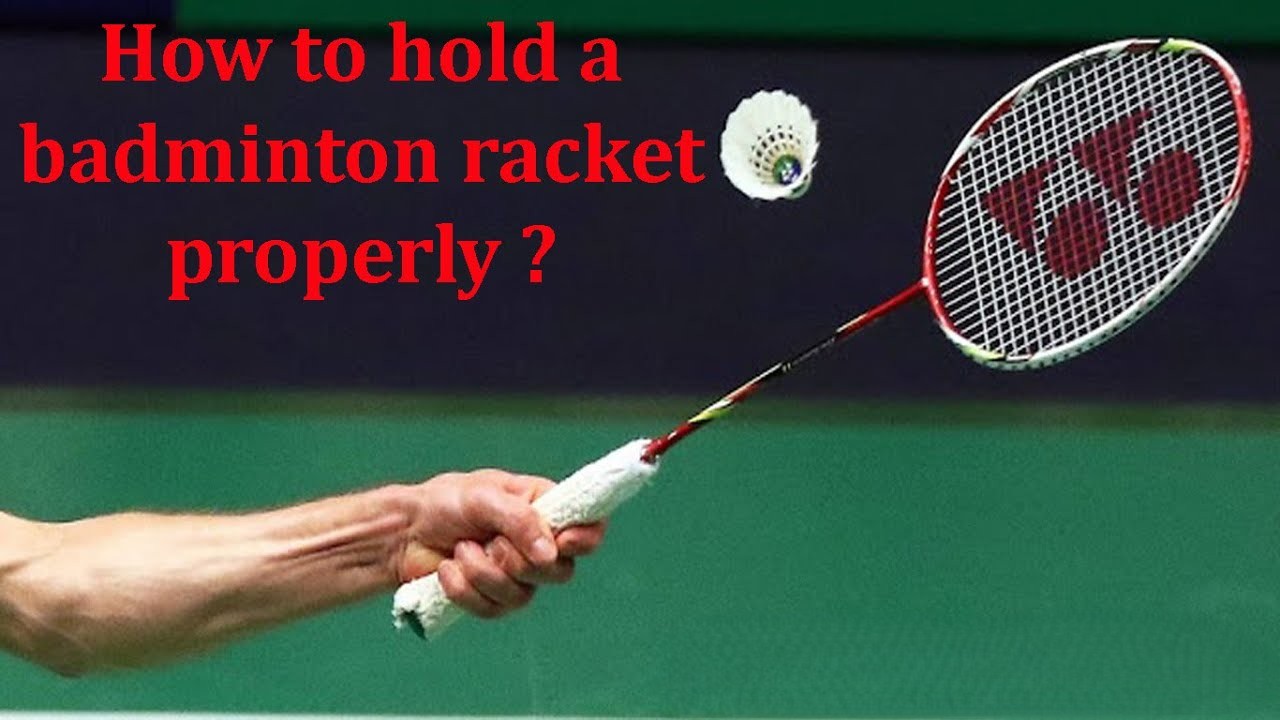
The best junior racket will not help if the child grips it like a hammer. Teach a relaxed “handshake” forehand grip and a thumb-supported backhand grip from the first session. Our step-by-step guide to holding a badminton racket properly is a good one to work through together.
Care and Maintenance Tips for Youth Gear
- Re-grip regularly to keep the handle comfortable and correctly sized as hands grow.
- Keep string tension low to moderate until technique develops. Our string tension guide explains why lower tension is more forgiving.
- Store the racket in a cover and teach children not to swing or drop it off court.
- Focus on technique rather than power; this helps avoid injuries and bad habits.
- Review the racket every season. Younger children often outgrow the length, weight or grip within one to two years.
Frequently Asked Questions
Can a child use an adult racket?
Older children and teens often can, provided it is light and has a thin enough grip. Younger children usually struggle with the length and swing weight of an adult racket.
Should I buy a bigger racket so my child can grow into it?
No. A racket that is too long or heavy now will slow down learning and can encourage poor technique. Buy for the child’s current size.
Are expensive junior rackets worth it?
For beginners, no. Once a child trains regularly, a good graphite junior or light adult racket is worth the extra cost.