
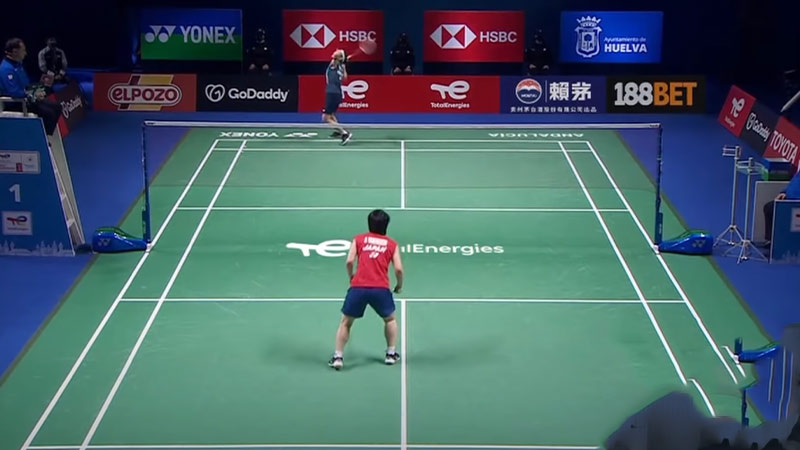
Many players assume badminton gear works the same anywhere. In practice, moving from a sports hall to a garden, park or beach changes almost everything about how the game plays: the shuttle is pushed around by wind, the surface grips and wears differently, and equipment faces sun, moisture and grit. Some gear transfers fine; some is wasted or even unsafe outdoors.
This guide goes through each piece of equipment, explains what changes between indoor and outdoor play, and what to use in each setting.
Shuttlecocks: The Biggest Difference
Indoors
Indoor badminton is played with feather or nylon shuttles designed for still air. Feather shuttles are standard for competitive play, while nylon is common for beginners and recreational sessions. Both are light and react sharply to the racket, which is what makes indoor badminton fast and precise. Our feather vs nylon shuttlecock comparison explains the differences in detail.
Outdoors
Even a light breeze pushes a standard shuttle off course. Outdoor options include:
- Nylon shuttles, the most practical choice for casual outdoor play because they survive rough surfaces and damp grass far better than feather.
- Outdoor or wind-resistant shuttles, which typically have a heavier head and a sturdier, more compact skirt. They fly lower and are less affected by wind, though they feel different from indoor shuttles.
- The AirShuttle, developed for the Badminton World Federation’s AirBadminton outdoor game, which the BWF launched with HSBC in Guangzhou in May 2019. It was developed for greater durability and wind resistance than a standard shuttle. See the BWF’s AirBadminton launch announcement for details of the programme.
Feather shuttles are a poor choice outdoors: wind makes them unpredictable, and damp grass and hard ground destroy them quickly.
Rackets
There is no separate category of “outdoor racket” in the way there are outdoor shuttles. The same rackets work in both settings. What changes is how you treat them.
- Durability matters more outdoors. Frames are more likely to hit the ground, walls or a partner’s racket in informal games. Many players keep an older or cheaper racket for outdoor use.
- Heat is a risk. Leaving a racket in strong sun or a hot car accelerates string tension loss and can damage the frame. Keep rackets in a bag in the shade between games.
- String tension. Some outdoor players prefer a slightly lower tension or a more durable string, because tension matters less when wind is a bigger factor and frame hits are more common. Our string tension guide explains the trade-offs.
- Clean after use. Wipe sand, dust and moisture off the frame and strings, and let a damp grip dry before storing.
Shoes
Indoor court shoes
Indoor badminton shoes use soft, non-marking gum rubber that grips wooden and PVC courts. They are low and stable to support side-to-side movement. For indoor-specific advice, see our guide to badminton shoes for indoor courts.
Outdoor footwear
Concrete, asphalt and tiles wear gum rubber quickly, and grit picked up outside makes soles slippery when you return indoors. Outdoors, choose shoes with a harder, more durable outsole, such as outdoor court or tennis shoes, that still offer lateral support. On grass, look for a tread that grips without being so aggressive that it catches during turns. Running shoes are not ideal on any surface because their raised, soft heels increase the risk of rolling an ankle during side movements.
Keep separate pairs. Using indoor shoes outside shortens their life considerably and reduces their grip on court.
Playing Surfaces Compared
| Feature | Indoor court | Outdoor surface |
|---|---|---|
| Typical surface | Sprung wood or PVC court mat | Concrete, asphalt, grass, sand or tiles |
| Grip | High and consistent | Variable; low when wet or dusty |
| Cushioning | Wood and mats give a little | Hard surfaces give none; grass and sand give a lot |
| Movement | Fast lunges and quick recoveries | Slower; sand and grass sap speed |
| Injury risk | Lower with proper shoes | Higher on hard or uneven ground |
| Wind and light | Still air, even lighting | Wind, sun glare and shadows |
On hard outdoor surfaces, take more care with deep lunges and jumps; there is no give underfoot, so the load on knees and shins is higher.
Nets and Posts
Indoors
Sports halls use fixed or weighted posts on the doubles side lines, with the net 1.524 m high at the centre and 1.55 m at the posts. Club nets have dark mesh and a strong top cord to stay taut.
Outdoors
Outdoor setups are usually portable poles with guy ropes or stakes. Look for UV-resistant net material, rust-resistant fittings and poles that reach regulation height. Bring the net in after use; sun and rain degrade it quickly. Our guide to badminton nets for home and club practice covers specifications and setup.
Clothing and Accessories
- Indoors: light, moisture-wicking clothing, a towel and plenty of water. Halls can be warm and humid.
- Outdoors: add sun protection (a cap and sunscreen), sunglasses for glare if they are comfortable during play, and extra water.
- Grips: humid outdoor air and sunscreen on your hands both make grips slippery. Carry a spare overgrip and wipe your hands before play.
- Bags: a bag with a thermal racket compartment keeps rackets cooler in the sun and keeps sand and moisture away from strings.
Choosing Gear for Where You Play
| Item | Indoor | Outdoor |
|---|---|---|
| Shuttles | Feather or nylon | Nylon, outdoor or wind-resistant shuttles |
| Racket | Your main racket | An older or durable racket |
| Shoes | Non-marking gum-sole court shoes | Durable outdoor court shoes |
| Net | Regulation net and posts | Portable, weather-resistant set |
| Extras | Towel, water, spare overgrip | Sun protection, extra water, racket cover |
Tips for Switching Between Indoor and Outdoor Play
- Keep separate shoes for each, and change at the hall door.
- Expect to adjust your timing. Outdoor shuttles fly differently, so allow a few minutes of warm-up rallies when you move back indoors.
- Play with the wind in mind: lift higher into a headwind and keep shots flatter with the wind behind you.
- Store rackets out of direct sun between games.
- Check rackets, strings and grips for grit and moisture after every outdoor session.
Frequently Asked Questions
Can I use indoor shuttles outdoors?
You can use nylon shuttles outdoors in calm conditions. Feather shuttles are a poor choice because wind and rough surfaces quickly make them unplayable.
Do I need a different racket for outdoor badminton?
No. Any badminton racket works outdoors. Many players simply use an older racket to protect their main one from knocks and heat.
Can I wear badminton shoes on concrete?
Occasionally, but the soft gum sole wears quickly and picks up grit. If you play outdoors regularly, use a separate pair with a harder outsole.