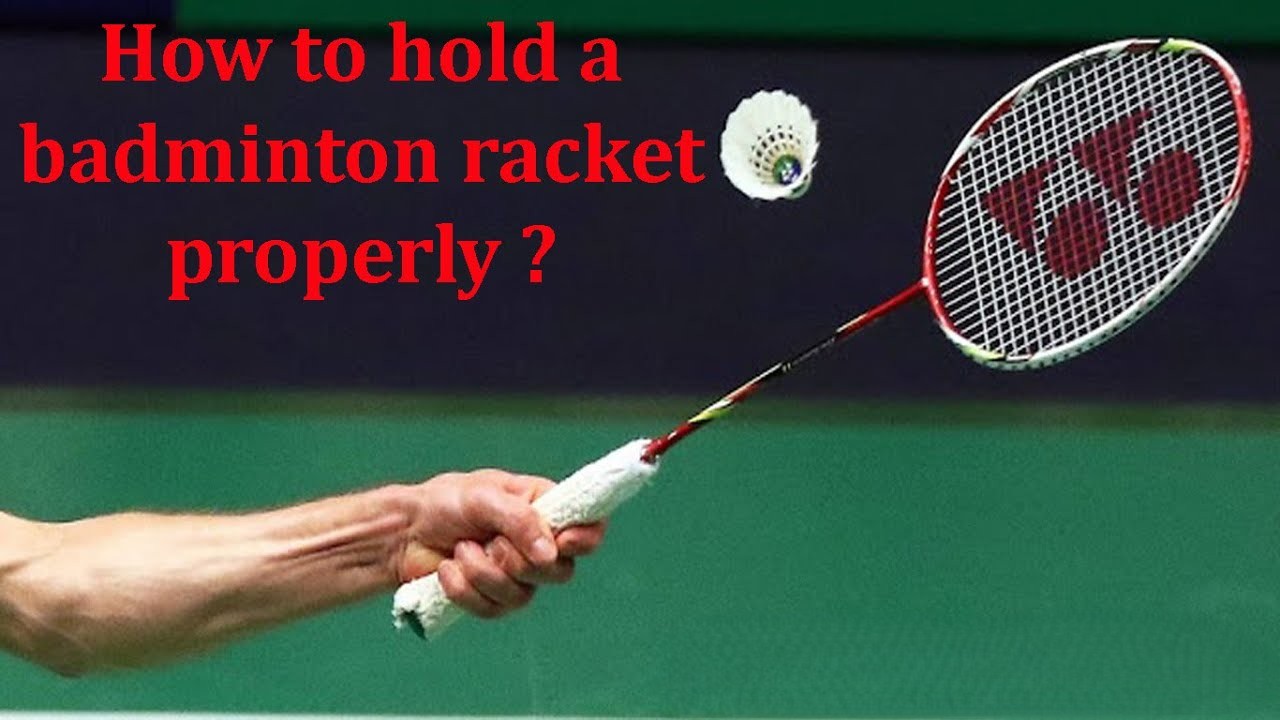


Rackets, shoes and shuttles get most of the attention, but the two contact points that decide how secure you feel on court are the sock inside your shoe and the wrap on your racket handle. The right socks keep your foot from sliding inside the shoe and reduce blisters. The right overgrip or grip enhancer keeps the handle steady in a sweaty hand, so you can hold the racket loosely and still control it.
This guide covers what to look for in badminton socks, how overgrips and grip enhancers work, how to fit an overgrip properly and how to keep both in good condition. For how to actually hold the racket (forehand, backhand, bevel and panhandle grips), see our separate guide to badminton grip types.
Why Socks and Grips Make a Difference
Your foot inside the shoe
Badminton involves constant braking: lunges, side stops and landings. If your foot slides inside the shoe, you lose a fraction of a second on every push-off and the friction causes blisters on the heel, the ball of the foot and the side of the big toe. A good sock fills the shoe evenly, wicks sweat and adds a little cushioning where the impact is greatest.
Your hand on the handle
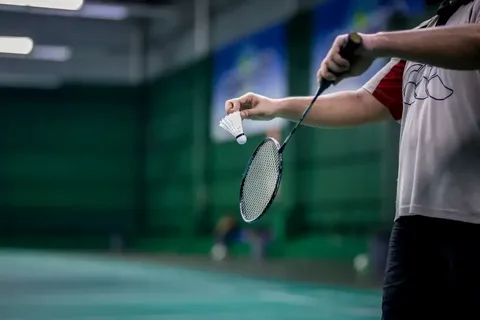
When a grip becomes slippery, players instinctively squeeze harder. A tight grip slows the wrist and fingers and makes fine shots at the net harder to control. A fresh, tacky overgrip lets you keep a relaxed hold and tighten only at contact.
What to Look for in Badminton Socks
- Cushioning in the right places. Extra padding under the heel and the ball of the foot absorbs impact from lunges and landings.
- Moisture-wicking fabric. Blends of cotton or wool with synthetic fibres such as polyester or nylon move sweat away from the skin. Pure cotton socks hold moisture, become heavy and are more likely to cause blisters in long sessions.
- A snug, anatomical fit. Socks that bunch at the toes or slide down at the heel cause rubbing. Some sports socks have left and right versions or an elasticated arch band to hold them in place.
- Grip soles (optional). Some socks have rubberised dots or a textured sole to reduce sliding inside the shoe. They can help if your shoe is slightly roomy, though a well-fitting shoe matters more.
- Length. Crew or quarter length is the most common choice. It protects the ankle from rubbing on the shoe collar. Very low socks can slip down inside the heel.
- Reinforced heel and toe. These areas wear first, especially for players who drag the back foot during lunges.
Always try shoes on with the socks you play in. A thick cushioned sock can change the fit by half a size. Our guide to choosing badminton shoes explains how a correct fit should feel, and our guide to badminton shoes for women covers sizing when shoes are only sold in unisex sizes.
Grip Enhancers Explained
Replacement grips vs overgrips
Your racket has a base grip (or replacement grip), which is thicker and cushioned, wrapped directly on the handle. An overgrip is a thinner wrap that goes on top of the base grip. Most players leave the base grip in place and change the overgrip regularly, because overgrips are cheap and quick to fit.
Synthetic (PU) overgrips
The most popular type. They feel tacky, are thin enough to keep the handle’s bevels easy to feel and come in smooth or perforated versions. Perforated and textured overgrips handle sweat a little better. Their weakness is that they lose tackiness as they fill with sweat and dirt.
Towel grips
Made from cotton towelling, these absorb a lot of sweat and feel soft. Many players in hot, humid conditions prefer them. They are thicker, so they increase the handle size noticeably, collect dirt and need replacing often to stay hygienic. A light dusting of grip powder helps them grip.
Grip powder
Powder is used mainly with towel grips, or on the hands, to absorb sweat. Use a little at a time; too much leaves residue on the court and your clothes. Some halls discourage powder because it makes floors slippery, so check local rules.
Handle size
Every layer you add makes the handle thicker. A handle that is too thick restricts finger movement and makes quick grip changes harder; one that is too thin makes you squeeze. Racket handle sizing conventions vary by brand; for Yonex, a higher G number means a thinner handle. If your racket already feels thick, use a thin overgrip, or remove the base grip and use a thicker overgrip on its own.
How to Fit an Overgrip
- Remove the old overgrip and wipe the base grip clean.
- Peel the backing strip from the new overgrip, keeping the tapered end free.
- Start at the butt of the handle. Place the tapered end at the bottom and wrap in the same direction as the base grip.
- Keep steady tension and overlap each turn by a few millimetres. Overlap evenly; uneven overlap creates ridges under your fingers.
- Finish just below the throat of the racket. Trim the excess at an angle and secure it with the finishing tape supplied.
- Check the bevels. You should still be able to feel the corners of the handle. If you cannot, the wrap is too thick or too loosely applied.
Players who sweat heavily often change overgrips every week or two. Occasional players can go a month or more. Replace the overgrip when it feels smooth, shiny or starts to tear.
Combining Socks and Grips on Match Day
- Before play: put on dry socks and fit a fresh overgrip if the old one has lost its tackiness.
- Warm-up: during your footwork warm-up, check for any foot movement inside the shoe and any slipping in your hand.
- During play: dry your hand and handle with a towel between rallies when allowed. Wristbands stop sweat running down onto the grip.
- Long tournaments: pack a spare pair of socks and a spare overgrip; changing both between matches makes a real difference. Our checklist of essential badminton accessories lists what else to pack.
Care Tips
- Wash sports socks inside out at a moderate temperature and air-dry them; high heat damages elastic and rubberised grip dots.
- Rotate several pairs of socks so each one dries fully.
- Store your racket away from wet shoes and clothes in your bag, so the grip stays dry.
- Do not use everyday dress socks on court; they lack cushioning and wicking.
- Wash hands before play. Hand cream and skin oils make any grip slippery.
Frequently Asked Questions
Should I use one pair of socks or two?
Most players use one good pair of cushioned sports socks. Some blister-prone players wear a thin liner sock under a thicker one, but this changes the shoe fit, so try it before a match.
Towel grip or synthetic overgrip?
If your hands sweat heavily, try a towel grip. If you prefer a thinner, tackier feel and easy changes, use a synthetic overgrip. Both work; it is a matter of feel.
Can I put an overgrip directly on the handle?
Yes. Players who want a thin handle sometimes remove the base grip and use a thicker overgrip on its own. It will feel firmer and transmit more vibration.