
Doubles is played on a wider court than singles, with two players per side, and the rallies are usually faster and flatter. The pairs who win most are not always the hardest hitters; they are the ones who always know where each player should be and who takes each shuttle. This guide is about those team skills: the two formations, how to rotate between them, where to stand for serve and return, and how to communicate. If you are still getting used to the basic differences between formats, start with the overview of singles vs doubles.
The Two Basic Formations
Front and Back (Attack)
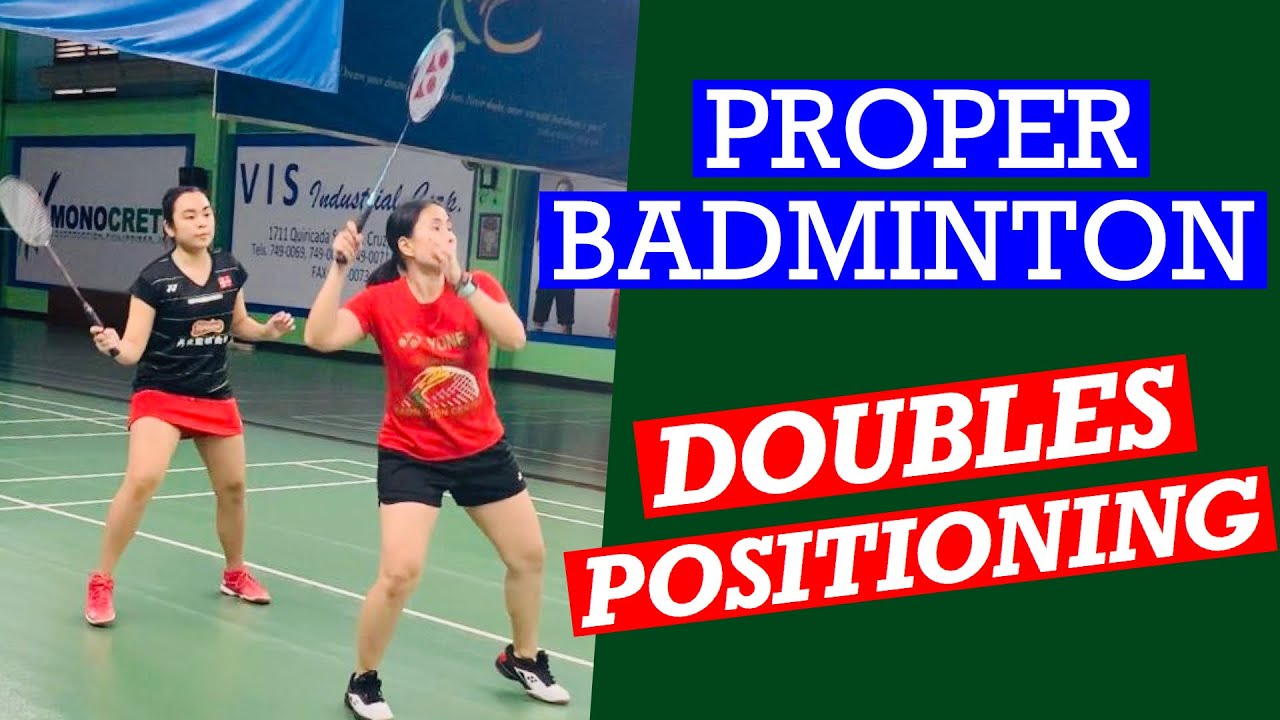
When your side is hitting down, use front and back. The rear player smashes, plays drops and half smashes from the back half of the court. The front player stands around the short service line, racket up, ready to intercept replies and play net shots or net kills.
- Front player’s job: cover the net and the front mid-court, and kill anything loose. Stay roughly on the side of the court the shuttle is coming back to.
- Rear player’s job: keep the attack going with steep, well-placed shots and follow any short reply forward when needed.
Side by Side (Defence)
When your side has lifted, move to side by side. Each player covers one half of the court, from net to back line, standing roughly level with each other in mid-court.
- Depth: both players a little behind the middle of their half, so they can reach both drops and smashes.
- Shade toward the shuttle: the player on the side the shuttle is lifted to usually stands slightly deeper and covers the straight smash, while the partner covers the cross-court and the middle.
- Racket position: in front of the body, often on the backhand side to cover body smashes.
Rotating Between Formations
Doubles rallies switch between attack and defence many times. The rule of thumb is simple: if your side hits up, go side by side; if your side hits down, go front and back.
- After you lift: the lifter moves back to their half of the court and the partner moves to the other half, both level.
- When you regain the attack: whoever is nearest the back plays the attacking shot; the partner moves forward to the net.
- After the front player is lobbed: the rear player usually takes the shuttle rather than the front player retreating, and the front player stays forward.
- Move in curves, not straight lines, so partners pass each other without colliding.
Good rotation depends on reading your own shot as well as the opponent’s: when you play a lift, you already know you will be defending, so start moving before the shuttle lands.
Positioning for Serve and Return
When Serving
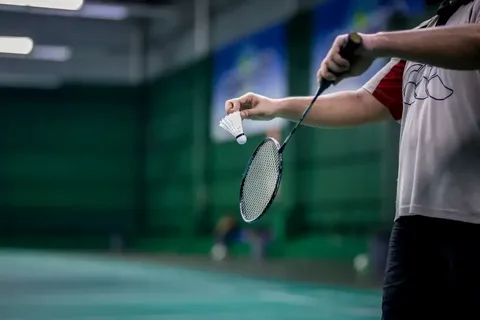
The server stands close to the short service line and the centre line and usually plays a low backhand serve. The partner stands behind the server, roughly in the middle of the court, ready to cover a push to the mid-court or a lift to the back. After a low serve the pair is effectively in an attacking shape, with the server covering the net. The guide to forehand and backhand serve techniques covers the low and flick serves in detail.
When Receiving
The receiver stands close to the short service line, racket up, ready to attack any serve that rises above the tape. The partner stands in the middle of the other half of the court, ready to cover the back if the receiver is flicked or to move forward if the receiver attacks. Only the receiver may hit the serve.
The first three shots of a doubles rally decide a large share of points, so agree on your serve and return positions before the match.
Communication That Works
During the Rally
- Short calls: “mine”, “yours” or “leave” (for a shuttle going out). One word, said early and loudly enough to hear.
- Call shuttles down the middle. Many pairs agree that the player who hit the last shot, or the player whose forehand is in the middle, takes it. Whatever rule you choose, agree it in advance.
- Call “out” decisions for the partner who is looking up at the shuttle and cannot see the line.
Between Rallies
- Use the time between points for short tactical notes: “keep serving low to him”, “lift to her backhand”.
- Agree simple serve signals if you want your partner to anticipate a flick.
- Keep it positive. Pairs who encourage each other after errors recover more quickly than pairs who criticise.
Before the Match
Discuss who covers the middle, each player’s strengths (one may be better at the net, the other at the back) and which opponent to target. Playing to your strengths, for example letting a strong net player stay forward when possible, makes rotation more natural.
Spacing and Coverage Principles
- Keep enough space between you that a smash cannot pass both rackets, but not so much that a shot down the middle is unreachable.
- When the shuttle goes cross-court, both players shift together so the gap moves with the shuttle.
- Recover after every shot. The most common doubles weakness is a player who stays where they hit from.
- Defend with your racket up; most doubles smashes come at the body or the middle. The guide to defensive techniques explains the blocks and drives used in side-by-side defence.
Common Positioning Mistakes
- Both players at the net, leaving the back court open. Fix: only the front player goes forward; the other stays back until the formation changes.
- Front player retreating after being lobbed. Fix: let the rear player take it.
- Standing still after a lift. Fix: move to side by side immediately.
- Uncertainty down the middle. Fix: agree a middle rule and call early.
- Staying in one formation regardless of the shuttle. Fix: follow the up-means-side, down-means-front-back rule.
Training Drills for Pairs
- Shadow rotation: without a shuttle, a coach or third player calls “attack” or “defend” and the pair switches formation. Repeat until it is automatic.
- Lift-and-defend: the pair lifts, moves to side by side and defends three smashes, then counter-attacks with a drive and switches to front and back.
- Middle drill: a feeder hits only down the middle; the pair practises calling and taking it according to their rule.
- Serve-and-third-shot: serve low, receiver pushes or nets, server’s side plays the third shot and holds the correct formation.
- Silent and called rallies: play a game with no calls allowed, then one where every shot must be called, to see how much communication helps.
Frequently Asked Questions
Who should take shots down the middle?
There is no single rule. Common agreements are that the player who hit the previous shot takes it, or the player with their forehand in the middle. Agree before you play.
Where should the front player stand when attacking?
Around the short service line, on the same side as the expected reply, with the racket up in front.
Is the doubles court bigger than the singles court?
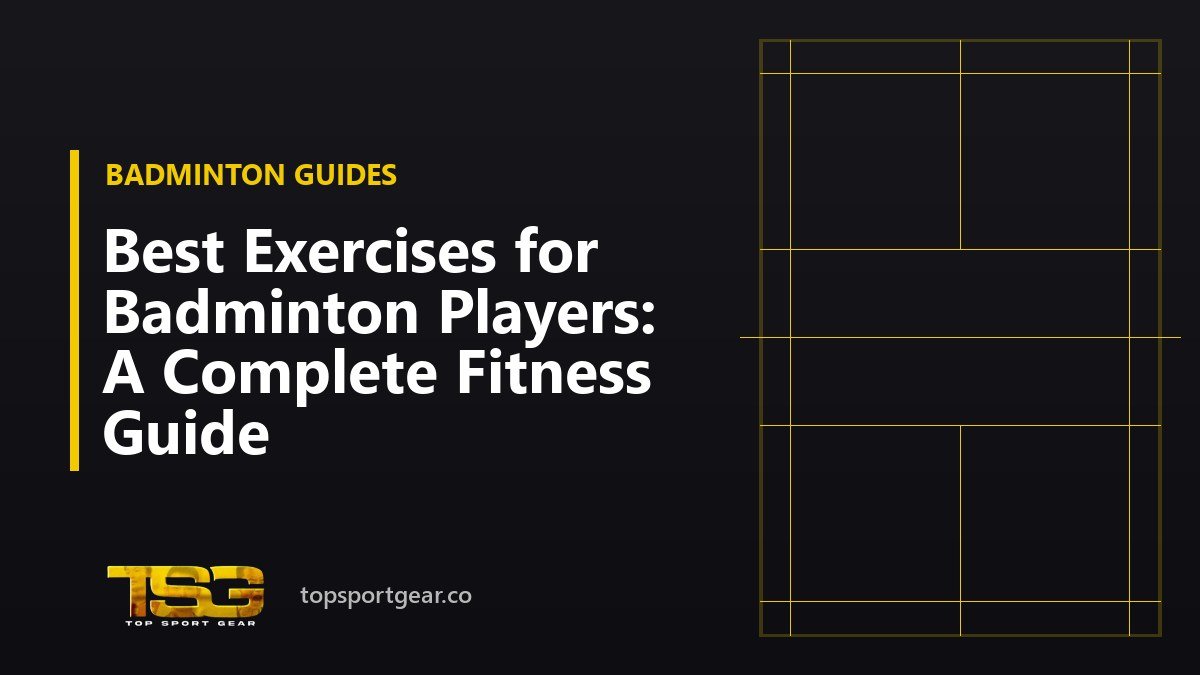
It is wider: 6.10 m between the outer sidelines compared with 5.18 m in singles. The length is the same, although the doubles service court ends at the long service line, 0.76 m inside the back boundary.