
Introduction: Why the Serve Is the Foundation of Every Badminton Match
The serve is one of the most critical shots in badminton — it sets the tone for the rally and can determine whether you start with an advantage or give one away. While many beginners overlook its importance, advanced players know that mastering the forehand and backhand serve techniques is key to controlling the pace of the game.
In this blog, we’ll break down both serve types, when to use them, common mistakes to avoid, and how to practice effectively so you can develop confidence in your serves and take your badminton skills to the next level.
Understanding the Basics of a Badminton Serve
A badminton serve is the first shot that starts the rally. According to the official rules, the shuttle must be hit below the waist, and both players must remain within their service courts until the serve is struck.
The main goal of a serve is to place the shuttle in a position that gives you control — whether that means forcing your opponent into a weak return or creating space for your next shot.
There are two main serve techniques in badminton: forehand and backhand. Each has its own strengths and situations where it’s most effective.
The Forehand Serve Technique
The forehand serve is often used by beginners because it feels more natural. It allows for more swing motion and power, making it ideal for high and deep serves, especially in singles matches.
How to Perform a Forehand Serve
-
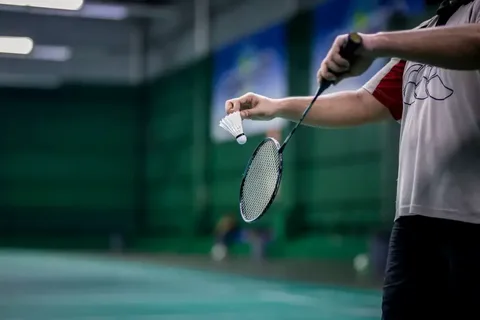
Stance: Stand sideways with your non-racket foot forward and your body facing slightly across the court.
-
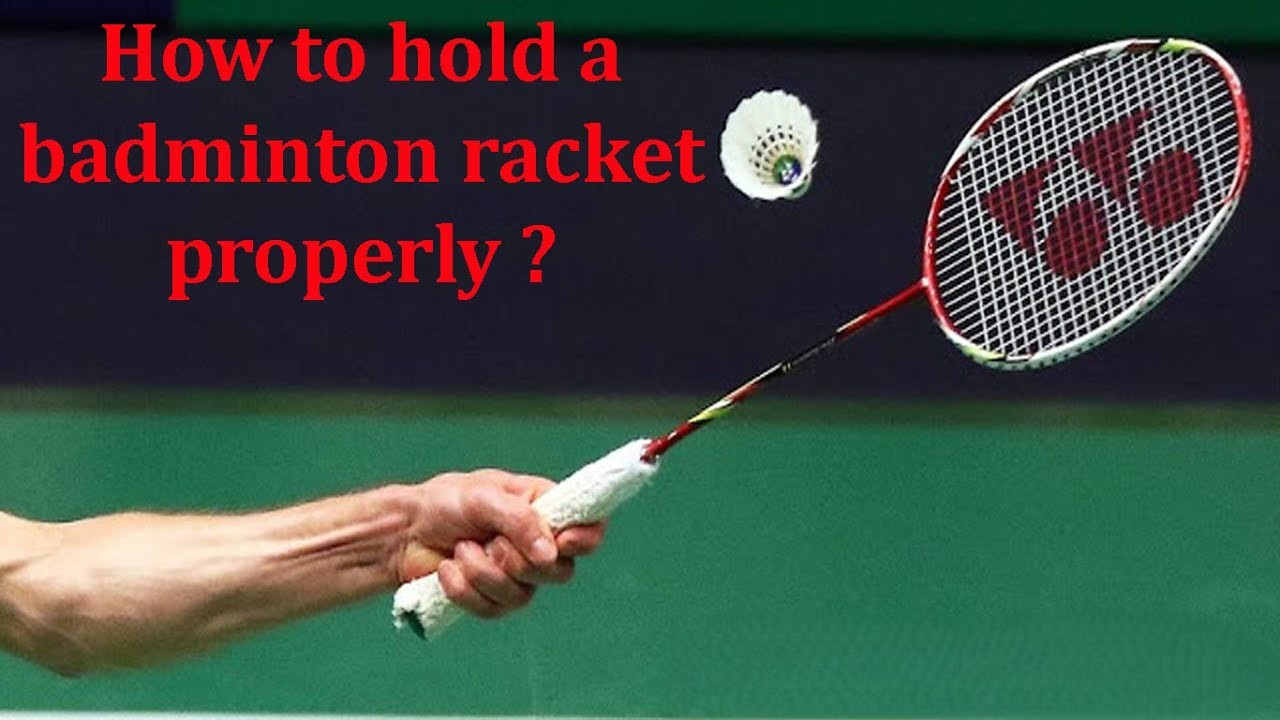
Grip: Use a relaxed forehand grip, holding the racket like you would a hammer.
-
Swing: Drop the shuttle from your non-racket hand and swing the racket forward in a smooth motion.
-
Contact Point: Hit the shuttle below your waist, aiming to lift it high and deep into your opponent’s backcourt.
-
Follow Through: Let your racket move naturally upward after impact for maximum control.
When to Use a Forehand Serve
-
In singles matches, to push your opponent to the back of the court.
-
When you want to vary between high and low serves to confuse your opponent.
-
Ideal for beginners developing serve consistency.
Common Mistakes to Avoid
-
Swinging too hard, which can cause inaccuracy.
-
Hitting the shuttle too high above the waist, leading to a fault.
-
Not following through properly, resulting in poor control.
The Backhand Serve Technique
The backhand serve is the preferred technique in doubles and by advanced players who need precision and quick control. It’s faster and keeps your opponent guessing since the motion is compact and deceptive.
How to Perform a Backhand Serve
-
Stance: Stand close to the service line with your racket foot forward.
-
Grip: Use a backhand grip with the thumb resting gently on the flat surface of the handle.
-
Position: Hold the shuttle near the waist and keep the racket ready at a slight angle.
-
Swing: Push the shuttle gently with a short, controlled flick of the wrist.
-
Follow Through: Keep your movement compact and prepare instantly for the next shot.
When to Use a Backhand Serve
-
In doubles matches, to deliver quick and low serves that force weak returns.
-
When aiming for precision over power, especially near the net.
-
In fast-paced rallies where control and recovery are crucial.
Common Mistakes to Avoid
-
Overflicking the wrist, sending the shuttle too high.
-
Standing too far back from the service line.
-
Holding the shuttle too tight, which reduces flexibility and feel.
Forehand vs Backhand Serve: Which One Should You Use?
The choice between forehand and backhand depends largely on your playing style and match type.
| Aspect | Forehand Serve | Backhand Serve |
|---|---|---|
| Best for | Singles play | Doubles play |
| Power | Strong, good for long serves | Controlled, good for short serves |
| Technique | Easier for beginners | Preferred by advanced players |
| Speed | Slower, larger swing | Faster, compact motion |
| Accuracy | Moderate | High |
| Versatility | High serve, low serve, flick serve | Low serve, flick serve, drive serve |
If you’re new to badminton, start with the forehand serve to develop consistency and control. As you improve, practice the backhand serve to add variety and precision to your game.
The best players can switch seamlessly between the two, keeping opponents off balance and unpredictable.
Advanced Serve Variations You Should Practice
Once you’ve mastered both serve types, it’s time to explore advanced variations that can give you a competitive edge:
-
High Serve: Used in singles to send the shuttle deep into the backcourt.
-
Low Serve: Ideal for doubles to force your opponent to lift the shuttle.
-
Flick Serve: A deceptive shot that looks like a short serve but travels quickly to the back.
-
Drive Serve: A flat and fast serve aimed at surprising your opponent.
Incorporating these variations makes your game dynamic and prevents your opponent from predicting your next move.
How to Improve Your Serve Consistency
-
Practice Daily: Repetition builds muscle memory. Aim for at least 50–100 serves per practice session.
-
Record Your Form: Watching your serve on video helps identify small mistakes.
-
Focus on Accuracy: Aim for a target instead of just clearing the net.
-
Relax Your Grip: A relaxed grip provides better control and shuttle feel.
-
Experiment with Angles: Slight changes in wrist motion can improve precision.
The serve might look simple, but it’s one of the most technical and strategic skills in badminton. Consistent practice is what separates an average player from a confident one.
Title Suggestion for Conclusion Section:
Mastering the Serve – The Key to Dominating Every Rally
Your serve is your first chance to take control of the rally. Whether you choose the forehand or backhand technique, mastering both gives you flexibility and power in every match. A strong, consistent serve builds confidence and keeps your opponents guessing — the true mark of a skilled badminton player.