
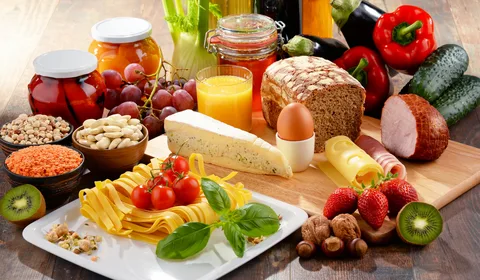
What you eat and drink around a badminton session affects how you feel on court: whether your legs still have energy in the third game, whether your concentration fades, and how ready you are to train again the next day. You do not need a complicated diet to play well. A few practical habits around timing, carbohydrates, protein and fluids will cover most recreational and club players.
This article offers general guidance for healthy adults. It is not medical or dietetic advice. If you have a medical condition, food allergies, diabetes, a history of disordered eating, or specific body-composition goals, speak to a doctor or a registered dietitian or sports nutritionist before changing your diet.
Why Nutrition Matters for Badminton Players
Badminton is an intermittent, high-intensity sport. Short bursts of sprinting, lunging and jumping draw heavily on carbohydrate stored in your muscles and liver. When those stores run low, movement slows and decision-making often suffers. Protein supports the repair and adaptation of muscle after training, and fluids replace what you lose in sweat, which can be considerable in a warm hall.
Good nutrition will not replace training, but poor fuelling can waste it. It also matters more as your playing load increases, for example during a multi-match tournament day.
The Building Blocks
Carbohydrates: your main fuel
Carbohydrate is the most important fuel for repeated high-intensity efforts. Everyday sources include rice, bread, pasta, oats, potatoes, roti, noodles, fruit and dairy. Wholegrain and high-fibre options are good choices for regular meals; lower-fibre options are often easier to digest close to playing.
Protein: repair and recovery
Spreading protein across your meals supports recovery. Good sources include eggs, chicken, fish, lean meat, dairy, yoghurt, paneer, tofu, lentils, beans and chickpeas. Most players can meet their needs from normal food; protein powders are a convenience, not a requirement.
Fats, fruit and vegetables
Healthy fats from nuts, seeds, olive oil and oily fish are part of a balanced diet, but large amounts right before playing can sit heavily. Fruit and vegetables provide vitamins, minerals and fibre that support overall health.
Fluids and electrolytes
Water is enough for most sessions of an hour or so. For long or very sweaty sessions, a sports drink or a salty snack helps replace sodium as well as fluid. Thirst and the colour of your urine (pale straw is a reasonable target) are simple practical guides.
What to Eat Before a Badminton Match
The goal before playing is energy without feeling heavy. Timing matters as much as the food itself.
Two to four hours before: a main meal
Choose a meal built around carbohydrate, with a moderate amount of protein and not too much fat or fibre. Examples:
- Rice with grilled chicken or dal and some cooked vegetables.
- Pasta with a tomato-based sauce and a little lean meat or beans.
- Oats or porridge with milk, banana and a spoon of honey.
- Wholemeal sandwiches with eggs, chicken or cheese, plus a piece of fruit.
30 to 60 minutes before: a light snack if needed
If your last meal was a while ago, a small, easily digested snack can top up energy:
- A banana or other fruit.
- Toast with jam or a thin layer of peanut butter.
- Yoghurt with honey (if dairy agrees with you).
- A cereal bar.
Everyone’s stomach is different. Try new pre-match foods in training, never for the first time on match day.
Hydration before playing
Arrive well hydrated by drinking regularly through the day rather than forcing down a large amount just before you play. A glass or two of water in the couple of hours before is a sensible habit.
What to Eat and Drink During Play
For a typical one- to two-hour club session, sipping water between games is usually enough. For longer sessions, tournaments or hot venues, add a carbohydrate source such as a sports drink, a banana or a few dried fruits between matches. Avoid trying to eat a full meal between rounds.
What to Eat After a Badminton Match
After playing, aim to replace fluid, restore carbohydrate and provide protein for repair.
Soon after playing
Having a snack or meal within an hour or two is a practical target, and it matters more if you play again the same day or the next morning. Useful options:
- A glass of milk or flavoured milk.
- Yoghurt with fruit.
- A sandwich with chicken, egg or cheese.
- A banana with a handful of nuts.
Your next main meal
Build a normal balanced plate: a portion of protein, a portion of carbohydrate and plenty of vegetables. For example, fish or chicken with rice and vegetables; lentil curry with rice or roti; or an omelette with potatoes and salad.
Recovery is also about sleep, not only food. Sleep and regular meals work together to help you adapt to training. Our guide on building stamina for badminton explains how recovery fits into a conditioning week.
Foods and Habits to Limit Around Matches
- Large, greasy or very spicy meals right before playing, which digest slowly and may cause discomfort.
- Very high-fibre foods immediately before matches if they upset your stomach.
- Energy drinks with high caffeine. Caffeine affects people differently; if you use it at all, keep amounts moderate and avoid it late in the day so it does not disrupt sleep. Young players should avoid energy drinks.
- Alcohol after playing, which works against rehydration and sleep quality.
- Skipping meals before evening sessions and then playing on empty.
Sample Match-Day Eating Plan
This example is for an adult with an evening match. Adjust portions to your size, appetite and activity level.
| Time | What to eat or drink |
|---|---|
| Breakfast | Oats with milk, banana and honey, or eggs on toast with fruit |
| Mid-morning | Yoghurt or a piece of fruit; water |
| Lunch | Rice or roti with chicken, fish, dal or beans and vegetables |
| 3 hours before match | Light carbohydrate-based meal if lunch was early, such as a sandwich or pasta |
| 30 to 60 minutes before | Banana or toast with jam; sip water |
| During play | Water between games; sports drink for long or hot sessions |
| After play | Milk or yoghurt with fruit, then a balanced dinner |
For tournament days with several matches, the same principles apply: small, familiar carbohydrate snacks between rounds and steady fluid intake. Our guide to training for competitive badminton tournaments covers how to plan a full competition day.
Common Nutrition Mistakes
- Relying on supplements instead of regular meals. Most players get what they need from food.
- Cutting carbohydrates while trying to train hard, then wondering why energy drops.
- Drinking only when very thirsty during long sessions in warm halls.
- Trying something new on match day.
Frequently Asked Questions
Do I need protein shakes for badminton?
No. A shake can be convenient after training, but milk, yoghurt, eggs, meat, fish, lentils or tofu do the same job for most players.
Should I eat right before playing badminton?
A small, easily digested snack 30 to 60 minutes before is fine for most people. A large meal is better two to four hours before.
Are sports drinks necessary?
For a normal hour of play, water is usually enough. Sports drinks are more useful for long sessions, tournaments or heavy sweating.
Can badminton help with weight loss?
Regular play burns energy and can be part of a healthy lifestyle. For an overview of the wider health effects, see our article on the health benefits of playing badminton. For a personalised plan, consult a registered dietitian.