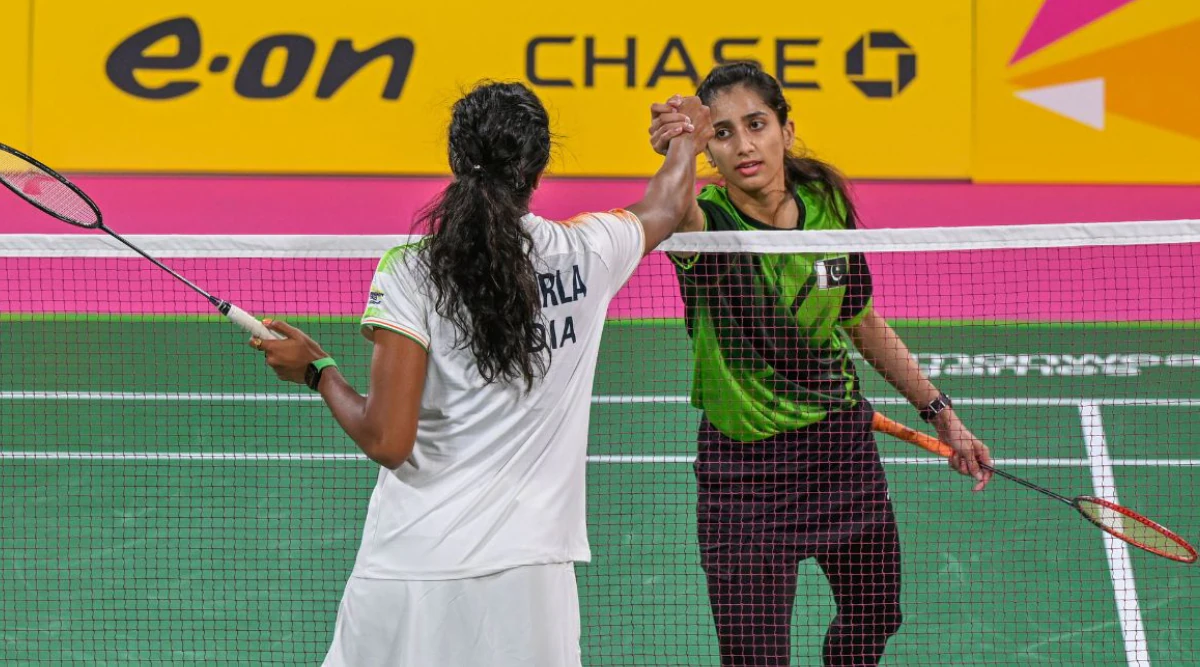


Badminton is easy to start, can be played at almost any age, and works the body in a way few recreational activities do: short sprints, lunges, jumps and overhead swings, repeated for as long as you play. Whether you play a relaxed game of doubles once a week or train for competitive singles, it can make a real contribution to your physical health.
This article focuses on the physical benefits of badminton. The mental and emotional side, including stress, mood and concentration, is covered separately in our guide on how badminton improves mental health and focus.
How Badminton Counts Toward Your Activity Goals
The World Health Organization’s guidelines on physical activity recommend that adults do at least 150 to 300 minutes of moderate-intensity aerobic activity a week, or 75 to 150 minutes of vigorous activity (or an equivalent mix), plus muscle-strengthening activity on two or more days. Depending on how hard you play, badminton can fall into either category: a gentle social game is closer to moderate activity, while competitive singles is usually vigorous. Two or three sessions a week can therefore cover a large share of the recommended amount.
The Main Physical Benefits
1. Cardiovascular fitness
Rallies raise your heart rate quickly, and the short breaks between points let it drop slightly before rising again. This interval-style pattern trains both your aerobic system and your ability to handle repeated hard efforts. Regular aerobic exercise of this kind is associated with better cardiovascular health, including healthier blood pressure and cholesterol profiles, as part of an overall healthy lifestyle.
2. Energy expenditure and weight management
How many calories badminton burns depends on your body weight, the intensity of play and how much of the session you spend actually moving. Hard singles uses considerably more energy than relaxed doubles. Combined with sensible eating, regular play can support weight management, but it is not a substitute for a balanced diet.
3. Leg, trunk and shoulder strength
The sport engages most major muscle groups:
- Legs and hips: lunging, jumping and pushing back to base work the quadriceps, glutes, hamstrings and calves.
- Trunk: rotating to hit and stabilising during wide reaches work the abdominal and back muscles.
- Upper body: overhead clears and smashes work the shoulders, upper back and forearms.
Badminton alone does not replace a structured strength programme, but it keeps these muscles active. If you want to build on it, our guide to the best exercises for badminton players suggests a simple routine.
4. Bone health
Weight-bearing activities that involve impact and changes of direction, such as running, jumping and lunging, place healthy stress on bones. This type of loading is generally considered beneficial for maintaining bone strength, particularly when started young and continued through life.
5. Mobility, balance and coordination
Reaching for low shots, rotating for overhead strokes and changing direction keep the hips, shoulders and spine moving through a wide range. Badminton also demands balance on one leg and precise hand-eye coordination. These skills tend to decline with age if they are not used, and badminton is an enjoyable way to keep practising them.
6. Agility and reaction speed
Responding to drives, smashes and net shots trains you to read a situation and move quickly. Players often find that their general quickness and coordination improve over time.
Benefits Across Different Ages
- Children: badminton builds coordination, timing and fundamental movement skills in a game that is easy to enjoy.
- Adults: it provides a flexible workout that can be as gentle or as hard as you choose, and fits around work schedules in evening club sessions.
- Older adults: doubles at a moderate pace keeps people active, social and moving, with less running than singles. Anyone with a heart condition, joint problems or other health concerns should check with a doctor before starting.
Social and Practical Advantages
Health is not only about the body. Badminton is naturally social, especially doubles and club play, and people tend to keep doing activities they enjoy with others. It also has low barriers to entry: a racket, shuttles and access to a court are all you need to begin, and many community centres and sports halls offer pay-and-play or club sessions.
How to Get the Benefits Safely
Badminton involves fast stops and overhead swings, so a little preparation goes a long way:
- Warm up properly. Ten to fifteen minutes of light cardio, dynamic stretches and gentle hitting helps prepare muscles and joints. Our badminton warm-up routine walks you through it.
- Wear proper indoor court shoes. Badminton or other court shoes with non-marking soles grip the floor and support sideways movement better than running shoes.
- Build up gradually. If you are new or returning after a break, start with shorter sessions and doubles before playing long singles matches.
- Learn the basics. Good technique reduces strain. Our beginner’s guide to playing badminton covers grip, footwork and basic shots.
- Stay hydrated and take breaks, especially in warm halls.
- Listen to your body. Persistent joint pain, chest pain, dizziness or unusual breathlessness are reasons to stop and seek medical advice.
Frequently Asked Questions
Is badminton a good workout?
Yes. It combines cardiovascular work with repeated leg-driven movement and upper-body effort. How hard a workout it is depends on how intensely you play.
How often should I play badminton to see health benefits?
Playing two or three times a week, alongside other daily activity, is a practical way to approach the WHO weekly activity guidelines.
Is badminton safe for older adults?
Many older adults play regularly, usually doubles at a comfortable pace. Anyone with existing health conditions should speak to a doctor first.
Is singles or doubles better for fitness?
Singles generally involves more running and higher intensity. Doubles is faster in exchanges but involves less court coverage per player, making it a good entry point.