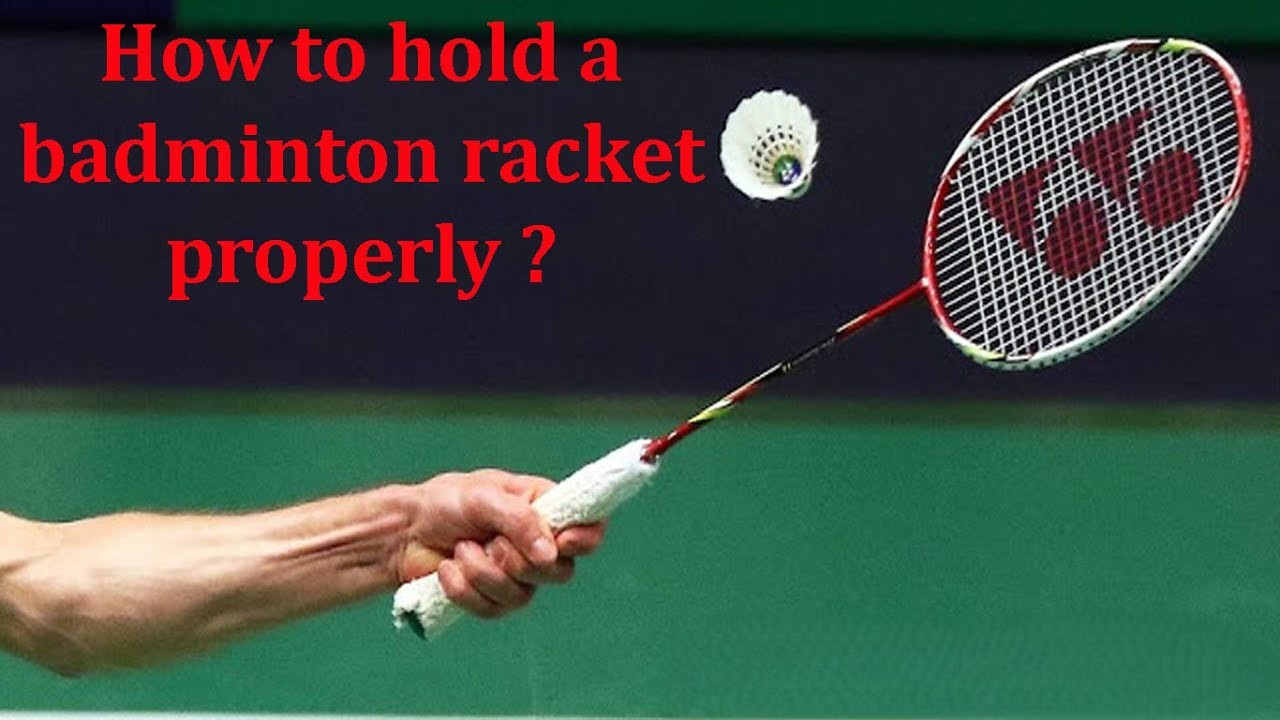

A proper grip is the foundation of every powerful smash, accurate drop shot, and lightning-fast drive.
Many beginners underestimate how crucial the right grip is for control and comfort.
Whether you are just starting out or looking to refine your technique, understanding different badminton grip types will help you play more confidently and prevent injuries.
This detailed guide explains the main badminton grip types, how to hold them correctly, and when to use each for maximum performance.
Why the Right Grip Matters
A racket grip is not just about holding the handle.
It directly affects your swing speed, shuttle contact, and shot precision.
The right grip:
-
Improves shot accuracy and control.
-
Reduces wrist strain and injury risk.
-
Allows quick transitions between shots.
-
Enhances power in smashes and clears.
Bad habits formed early are difficult to change later, so mastering grips from the start is essential.
1. Forehand Grip
The forehand grip is the most common and versatile in badminton.
It is used for overhead shots like clears, smashes, and most forehand drives.
How to Hold
-
Place the racket face perpendicular to the floor.
-
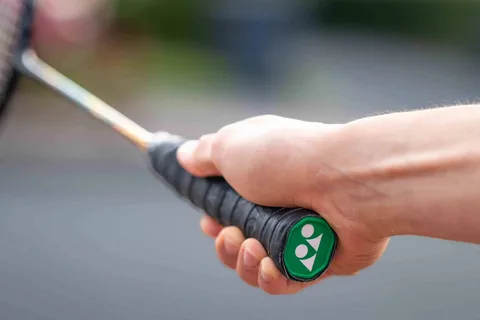
Shake hands with the handle so the V-shape between your thumb and index finger rests on the side bevel.
-
Maintain a relaxed hold, allowing finger flexibility.
When to Use
-
Overhead clears and smashes.
-
Forehand net kills and midcourt drives.
-
Cross-court lifts.
The forehand grip provides strong wrist rotation, creating both power and accuracy.
2. Backhand Grip
The backhand grip is essential for quick returns and deceptive shots on your non-dominant side.
How to Hold
-
Start from a forehand grip and rotate the racket handle slightly counter-clockwise (for right-handers).
-
The thumb should rest flat along the wider surface of the handle for support.
-
Keep your fingers loose for faster adjustments.
When to Use
-
Backhand clears and drives.
-
Defensive lifts and net shots when the shuttle is on your backhand side.
-
Quick reflex shots in doubles play.
A proper backhand grip allows you to generate power without excessive arm movement, especially under pressure.
3. Panhandle Grip
Often misunderstood, the panhandle grip resembles holding a frying pan.
How to Hold
-
Hold the racket face parallel to the ground.
-
Your palm faces the string bed with the thumb and index finger forming a loose circle.
-
Keep the wrist relaxed.
When to Use
-
Net kills and quick pushes.
-
Smash returns at the frontcourt.
-
Flat drives where you need a short, sharp motion.
The panhandle grip offers speed for quick exchanges but is not ideal for overhead clears or powerful smashes.
4. Bevel Grip
The bevel grip is a slight variation between the forehand and backhand grips.
How to Hold
-
Start with a backhand grip.
-
Rotate the handle so the thumb rests on a diagonal bevel of the handle, not directly on the back.
When to Use
-
Backhand defensive blocks.
-
Drives and pushes that require subtle wrist angles.
-
Shots around the midcourt when switching from forehand to backhand.
This grip provides excellent control for defensive play and fast doubles rallies.
5. Thumb Grip
The thumb grip is specifically for backhand strokes where you need a strong push.
How to Hold
-
Place the thumb firmly against the wider flat side of the handle.
-
Wrap the rest of the fingers around lightly for support.
When to Use
-
Backhand net kills and pushes.
-
Fast drives and flick serves.
-
Defensive lifts with extra power.
The thumb acts like a lever, helping to generate quick bursts of force.
6. Smash or Power Grip
The smash grip is a modification of the forehand grip used to unleash maximum power.
How to Hold
-
Similar to the forehand grip but with a slightly tighter finger placement for better control.
-
The index finger presses a bit more firmly to direct power into the shuttle.
When to Use
-
Jump smashes.
-
Powerful forehand clears and attacking lobs.
This grip helps transfer energy from your wrist and arm into the shuttle for explosive shots.
Tips to Master Badminton Grips
-
Relax Your Hold: Over-gripping the racket reduces flexibility and slows your wrist.
-
Practice Switching: Smooth transitions between forehand and backhand grips allow faster reactions.
-
Use Finger Power: Subtle finger movements provide control and deception in tight rallies.
-
Check Your Overgrip: A worn or slippery grip affects your ability to hold correctly—replace it regularly.
Choosing the Right Grip for Your Game
Selecting the best badminton grip type is about matching the shot and situation, not sticking to a single style.
-
Singles Players often rely on forehand and bevel grips for control and reach.
-
Doubles Players frequently switch to backhand and thumb grips for rapid exchanges at the net.
-
Beginners should start with forehand and backhand grips before experimenting with advanced variations.
The ideal grip is the one that lets you move naturally, adjust quickly, and maintain comfort during long rallies.
Spend time practicing each grip in drills so you can instinctively switch during fast-paced games.