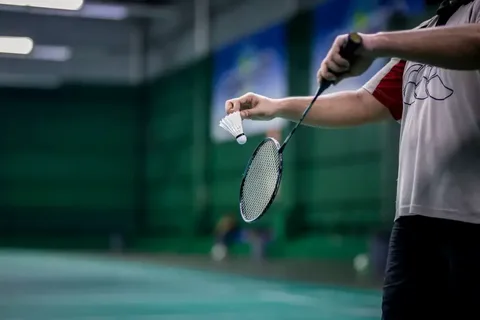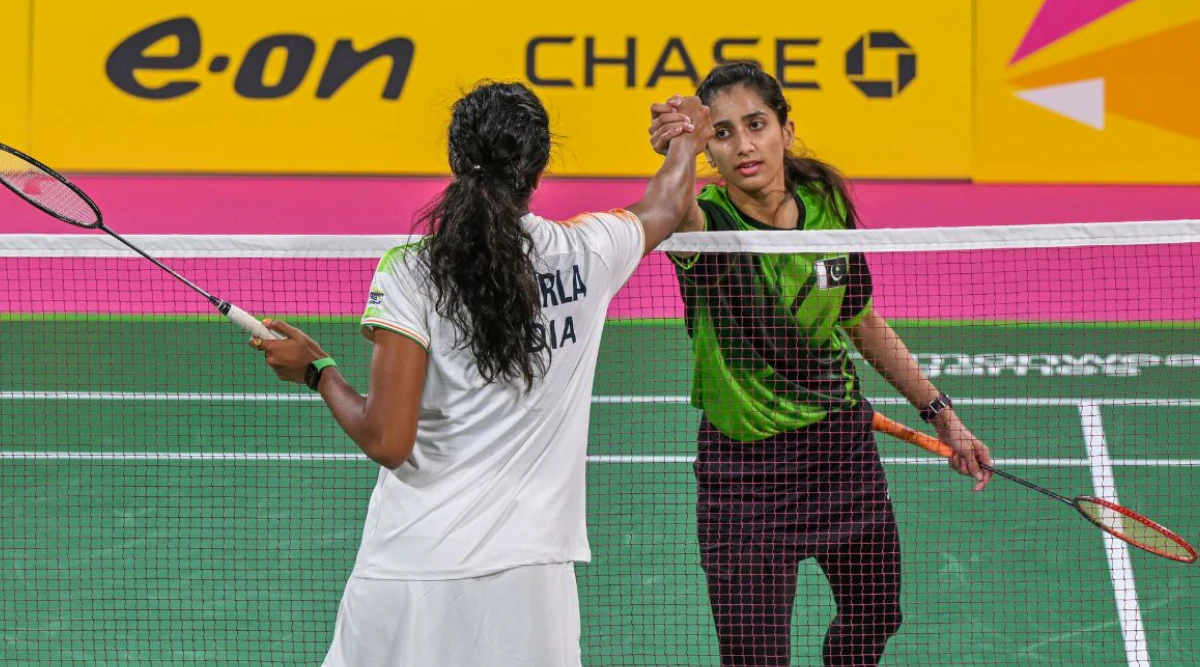

Badminton has always been one of the fastest sports in the world, but the way it’s played, trained, and experienced is changing rapidly. Over the last decade, we’ve seen massive improvements in athlete performance, equipment innovation, digital coaching, and global fan engagement. If this pace continues, badminton in 2030 will look very different from what we see today.
The future of badminton isn’t just about stronger smashes or quicker footwork. It’s about smarter training systems, global expansion, data-driven performance, and a completely new fan experience powered by technology.
Let’s break down what badminton is likely to look like by 2030.
Smarter Training Through AI and Data
One of the biggest changes coming to badminton is artificial intelligence in training.
By 2030, most professional players will train using:
-
AI-powered motion tracking
-
Real-time stroke analysis
-
Smart cameras for footwork detection
-
Automated match analytics
Players will no longer rely only on coaches’ eyes. Instead, software will analyze:
-
Shot accuracy
-
Reaction time
-
Movement efficiency
-
Fatigue levels
-
Injury risk
This means players can correct mistakes instantly, making training far more efficient.
Even amateur players will have access to smart apps that act like personal coaches, something already starting today.
You can already see early trends in this direction in modern training discussions like this:
https://topsportgear.co/blogs/how-ai-and-technology-are-changing-badminton-training
Wearable Technology for Performance
In 2030, almost every elite badminton player will use wearable tech.
These devices will track:
-
Heart rate zones
-
Oxygen levels
-
Jump height
-
Sprint speed
-
Recovery time
Coaches will design sessions based on real physical data instead of guesswork.
This will reduce injuries and increase career longevity. Players will know exactly when to push and when to rest.
Badminton will move from intuition-based training to fully data-driven performance.
Faster and More Athletic Players
Future badminton players will be more athletic than ever.
Why?
Because training systems are improving at younger ages.
By 2030:
-
Players will start professional-level conditioning earlier
-
Youth academies will use scientific training models
-
Strength and conditioning will be mandatory, not optional
-
Flexibility and mobility training will be standard
We’ll see players with:
-
Higher vertical jumps
-
Faster reflexes
-
Stronger core strength
-
Better balance and agility
Rallies will become longer, more intense, and more physically demanding.
Equipment Will Become More Advanced
Badminton equipment is evolving fast, and by 2030 it will be highly optimized.
Rackets
Future rackets will likely feature:
-
AI-balanced frames
-
Smart sensors inside grips
-
Real-time feedback on stroke power
-
Personalized weight distribution
Players will choose rackets based on their playing style, body type, and physical data.
Shuttlecocks
Even shuttle design may change:
-
More durable materials
-
Consistent flight patterns
-
Environment-friendly production
This will improve match quality and reduce inconsistencies.
Virtual Coaching and Online Academies
One of the biggest shifts will be digital coaching.
By 2030, physical location won’t matter.
Players will train with:
-
Online international coaches
-
Virtual reality practice systems
-
AI match simulators
-
Remote fitness monitoring
Someone in a small town will be able to receive world-class coaching through virtual platforms.
This will democratize badminton and create more global talent.
Badminton Will Become More Global
Badminton is already huge in Asia and Europe, but by 2030 it will grow massively in:
-
United States
-
Canada
-
Middle East
-
Africa
-
South America
Thanks to:
-
Better broadcasting
-
Social media exposure
-
Olympic popularity
-
Grassroots programs
Countries that never produced elite players before will start appearing in international rankings.
The sport will no longer be dominated by just a few nations.
New Tournament Formats
Traditional formats may evolve.
By 2030, we may see:
-
Shorter match formats for digital audiences
-
Team-based leagues similar to IPL
-
Mixed-gender team competitions
-
City-based professional leagues
These formats will attract younger viewers and increase commercial value.
Badminton will adapt to modern attention spans without losing its competitive depth.
Fan Experience Will Be Digital
Watching badminton in 2030 will feel very different.
Fans will enjoy:
-
Live player stats on screen
-
Shot speed displayed in real time
-
360-degree camera angles
-
Augmented reality replays
-
Interactive match analysis
Viewers won’t just watch. They’ll understand every movement, tactic, and decision.
This deeper engagement will bring more fans into the sport.
Social Media Will Create New Stars
By 2030, many top players will become global influencers.
Players will grow their brands through:
-
YouTube training channels
-
Instagram match clips
-
TikTok tutorials
-
Personal fitness content
Talent won’t be discovered only by federations. Social platforms will launch careers.
A viral training clip could lead to sponsorships and international recognition.
Mental Training Will Be a Core Skill
Future badminton won’t be just physical.
Mental performance will become a major focus.
Players will train in:
-
Stress control
-
Focus under pressure
-
Match visualization
-
Emotional regulation
Sports psychologists will be part of every professional team.
The mental game will decide matches as much as physical ability.
Sustainability in Badminton
Environmental responsibility will play a role too.
By 2030:
-
Eco-friendly shuttle production
-
Recyclable equipment materials
-
Energy-efficient stadiums
-
Reduced plastic packaging
Sports brands will compete on sustainability, not just performance.
Careers Will Last Longer
With better recovery methods and injury prevention, players will retire later.
We’ll see:
-
More players competing into their mid-30s
-
Faster injury recovery through tech
-
Personalized rehab programs
-
Smarter workload management
This means more experienced players, better rivalries, and richer competition.