
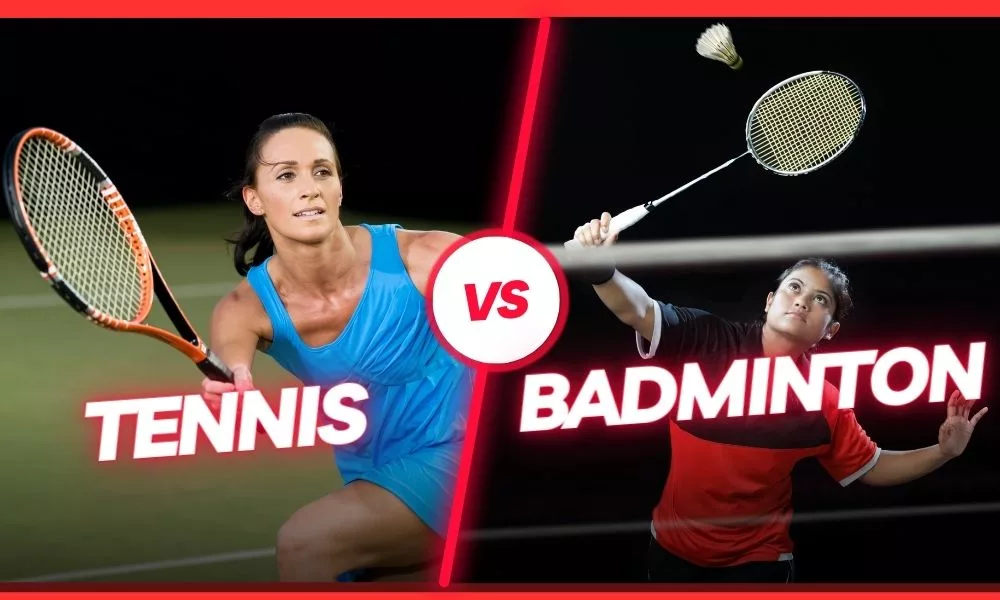
When it comes to racket sports, badminton and tennis are often compared for their similarities—and their fierce differences. Both demand speed, skill, strategy, and stamina. Yet, each offers a unique challenge that appeals to different kinds of players. Whether you’re trying to pick one for fitness, competition, or fun, understanding how badminton and tennis compare will help you decide which sport is best for you.
Origins and Global Popularity
Badminton originated in British India during the 19th century and quickly spread across Asia and Europe. Today, it’s one of the fastest-growing sports globally, with countries like China, Indonesia, Malaysia, India, and Denmark producing world-class players. It’s also one of the most watched events during the Olympics.
Tennis, on the other hand, has roots dating back to 12th-century France and has evolved into one of the most prestigious sports in the world. Major tournaments like Wimbledon, US Open, and Roland Garros draw millions of fans and billions in sponsorships.
While both sports enjoy global appeal, tennis has a broader media presence, whereas badminton dominates in Asia and is gaining traction in Europe and Africa.
Court Size and Equipment
A major difference lies in the playing environment.
-
Badminton court: 13.4 meters long and 6.1 meters wide for doubles.
-
Tennis court: 23.77 meters long and 8.23 meters wide for doubles.
The smaller badminton court creates faster rallies and shorter distances to cover, but it also demands rapid movement and explosive reflexes. Tennis courts are larger, which means longer rallies, more running, and greater endurance requirements.
In terms of equipment:
-
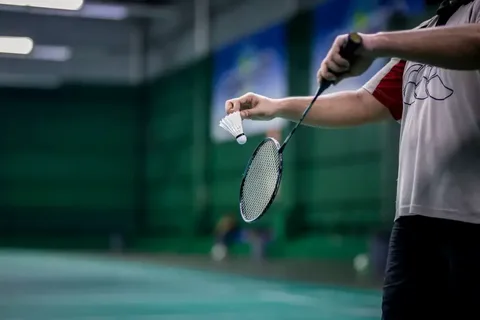
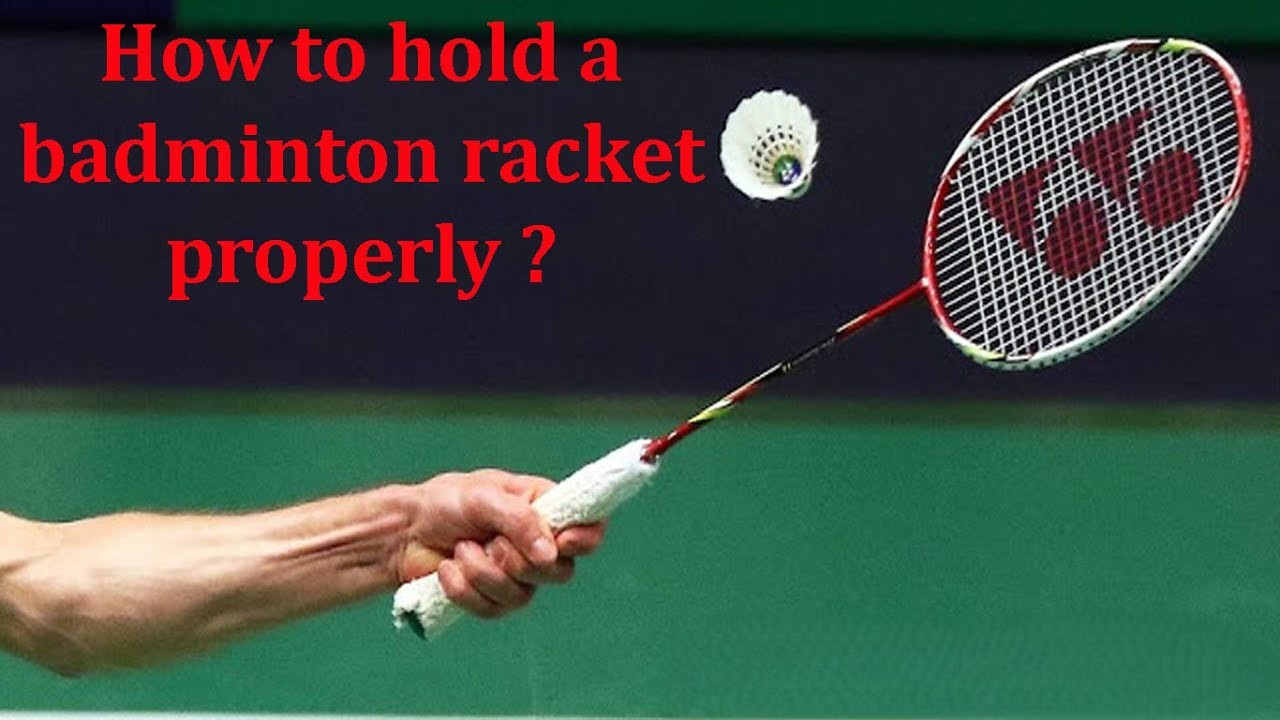
A badminton racket weighs around 80–100 grams and uses a shuttlecock that travels up to 320 km/h in pro matches.
-
A tennis racket is heavier (260–340 grams) and strikes a felt-covered ball that can reach 200 km/h.
The lightness of badminton gear favors agility and control, while tennis equipment demands strength and precision.
Speed, Reflexes, and Physical Demand
Badminton is widely considered one of the fastest sports in the world. Players perform continuous sprints, jumps, lunges, and directional changes, often in less than a second. The intensity comes in bursts—fast-paced rallies that last just a few seconds but are repeated hundreds of times in a match.
Tennis, in contrast, requires sustained power and endurance. Matches can last several hours, testing a player’s ability to maintain strength and focus. The slower pace of rallies doesn’t mean less effort—it means prolonged physical exertion, especially on clay or grass courts.
If you prefer quick reactions, agility, and short bursts of energy, badminton may suit you better. But if you enjoy longer rallies, power shots, and stamina-based play, tennis offers that challenge.
Strategy and Skill
Both sports are deeply tactical, but they differ in their strategic execution.
In badminton:
-
Players focus on shot placement, deception, and exploiting opponents’ weaknesses.
-
Every rally requires split-second decisions—whether to drop, clear, or smash.
-
Footwork and anticipation are everything; one misstep can lose a point instantly.
In tennis:
-
The game relies on constructing points over time—setting up shots to control the rally’s rhythm.
-
Spin, serve placement, and baseline control dominate strategy.
-
Mental endurance is key to handling long rallies and high-pressure tie-breaks.
Badminton demands instant reflexes and creativity, while tennis rewards patience, consistency, and tactical foresight.
Fitness and Injury Comparison
Badminton fitness benefits:
-
Excellent cardio workout with high calorie burn (400–550 per hour).
-
Enhances coordination, flexibility, and reflexes.
-
Lower impact on joints due to lighter movement patterns.
Tennis fitness benefits:
-
Builds full-body strength, especially in legs and upper body.
-
Improves balance, endurance, and bone density.
-
However, repetitive stress can lead to shoulder or elbow injuries.
For players concerned about joint impact or recovery time, badminton may be the safer choice. Tennis offers superior strength training but with higher physical wear and tear.
Accessibility and Cost
In terms of cost and convenience, badminton is generally more accessible. It can be played indoors, requires minimal equipment, and is inexpensive to start. A quality racket, a few shuttlecocks, and court rental fees are affordable in most regions.
Tennis, on the other hand, often comes with higher costs—rackets, strings, shoes, and court access can add up quickly. Outdoor courts are common, but indoor facilities tend to be more expensive.
If you’re looking for an easy-entry sport with fast-paced excitement, badminton is more beginner-friendly. Tennis, though costlier, provides a strong community network and professional structure.
Competitive Scene and Longevity
Both sports have massive global tournaments and fan bases.
-
Badminton: BWF World Championships, All England Open, Thomas Cup, and the Olympics.
-
Tennis: Grand Slams, ATP/WTA Tours, and Davis Cup.
Professional badminton matches tend to be shorter—around 45–60 minutes—while tennis matches can stretch to several hours. This difference influences players’ physical longevity. Many badminton athletes peak earlier due to speed demands, while tennis professionals often compete at high levels well into their 30s.
Mental and Emotional Engagement
Both sports offer mental challenges, but in different forms:
-
Badminton keeps the mind alert with constant decision-making under pressure.
-
Tennis builds patience, focus, and mental toughness over extended matches.
If you thrive on instant reaction and creative play, badminton will engage you more. But if you enjoy outlasting opponents mentally in longer battles, tennis is your arena.
Which Sport Should You Choose?
Choosing between badminton and tennis depends on your goals, lifestyle, and physical preference.
| Preference | Choose Badminton If You Want… | Choose Tennis If You Want… |
|---|---|---|
| Workout Type | Intense cardio and quick bursts | Strength and endurance training |
| Time Commitment | Short, fast-paced games | Longer matches with slower pace |
| Accessibility | Low-cost indoor option | Outdoor experience and prestige |
| Physical Demand | Light on joints | High on stamina and power |
| Strategy | Quick reflex and deception | Long-term tactical control |
Why Both Sports Deserve Your Respect
Whether it’s the high-speed rallies of badminton or the power-driven baseline duels of tennis, both sports offer extraordinary ways to stay fit, focused, and mentally sharp. Each has its rhythm, its heroes, and its devoted global community. Instead of asking which one is better, perhaps the real answer lies in which one keeps you coming back for more.