
When COVID-19 hit the world in early 2020 every sport felt the shock but badminton experienced one of the most disruptive transformations in its history. The sport thrives on global travel packed stadiums international tournaments and close physical training environments. Almost everything badminton depended on came to a sudden halt.
No one imagined that something microscopic could pause a sport that moves at 300 km/h. The impact was immediate long lasting and reshaped badminton in ways players coaches federations and fans are still adjusting to today.
This article takes a deep look at how COVID-19 changed the badminton world from tournaments to training economics rankings athlete health and fan culture.
Global Tournaments Shut Down Overnight
Badminton is one of the most international sports in existence. The BWF World Tour moves across continents nearly every month. But when COVID-19 spread borders closed flights stopped and tournaments were canceled back to back.
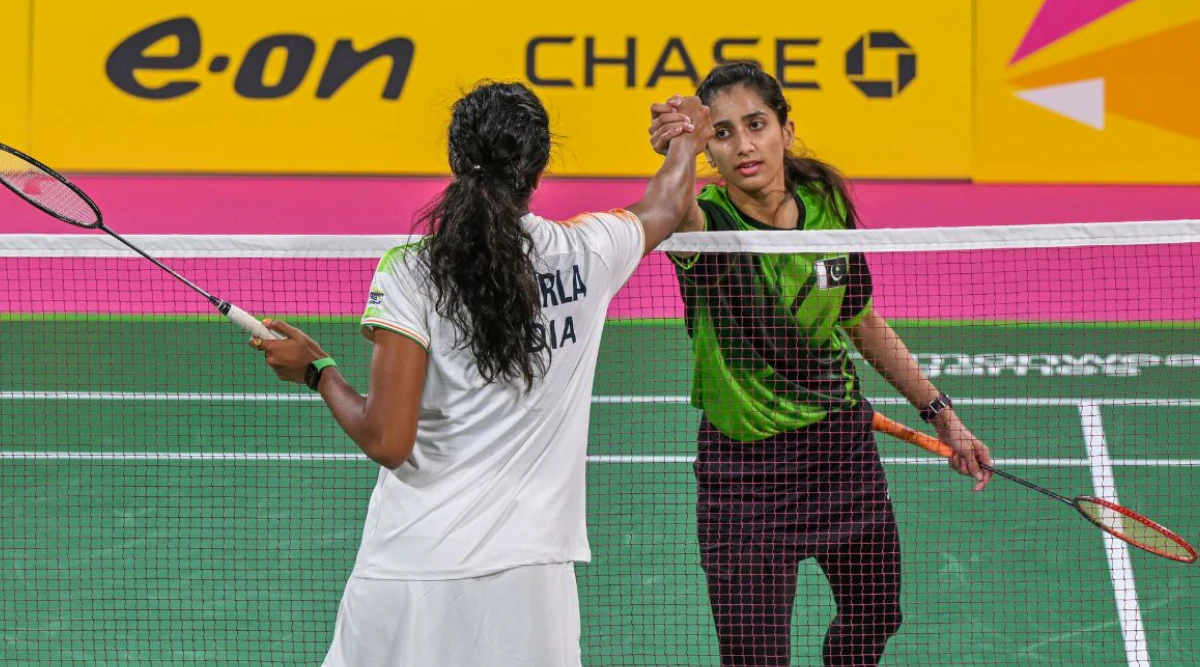
Major events like the All England Open the Swiss Open India Open Malaysia Open and several Super 1000 and 750 tournaments were either postponed or completely canceled. Even the prestigious Thomas & Uber Cup was delayed multiple times before finally taking place without full crowd attendance.
Olympic qualification was frozen leaving athletes unsure whether their ranking points would remain valid or expire. Players trained for years only to sit at home watching the calendar collapse.
Ranking System Stagnated Creating a New Debate
The BWF ranking system works on a 52-week rolling points model. Since tournaments were suspended the federation had no choice but to freeze rankings for months.
This created a unique situation where some players held their positions without competing while others felt stuck unable to climb despite being in peak form. Younger rising players suffered the most because they rely on frequent tournament participation to break into top ranks.
The freeze protected established players but unintentionally widened the gap between elite and emerging talent.
Training Moved From Courts to Living Rooms
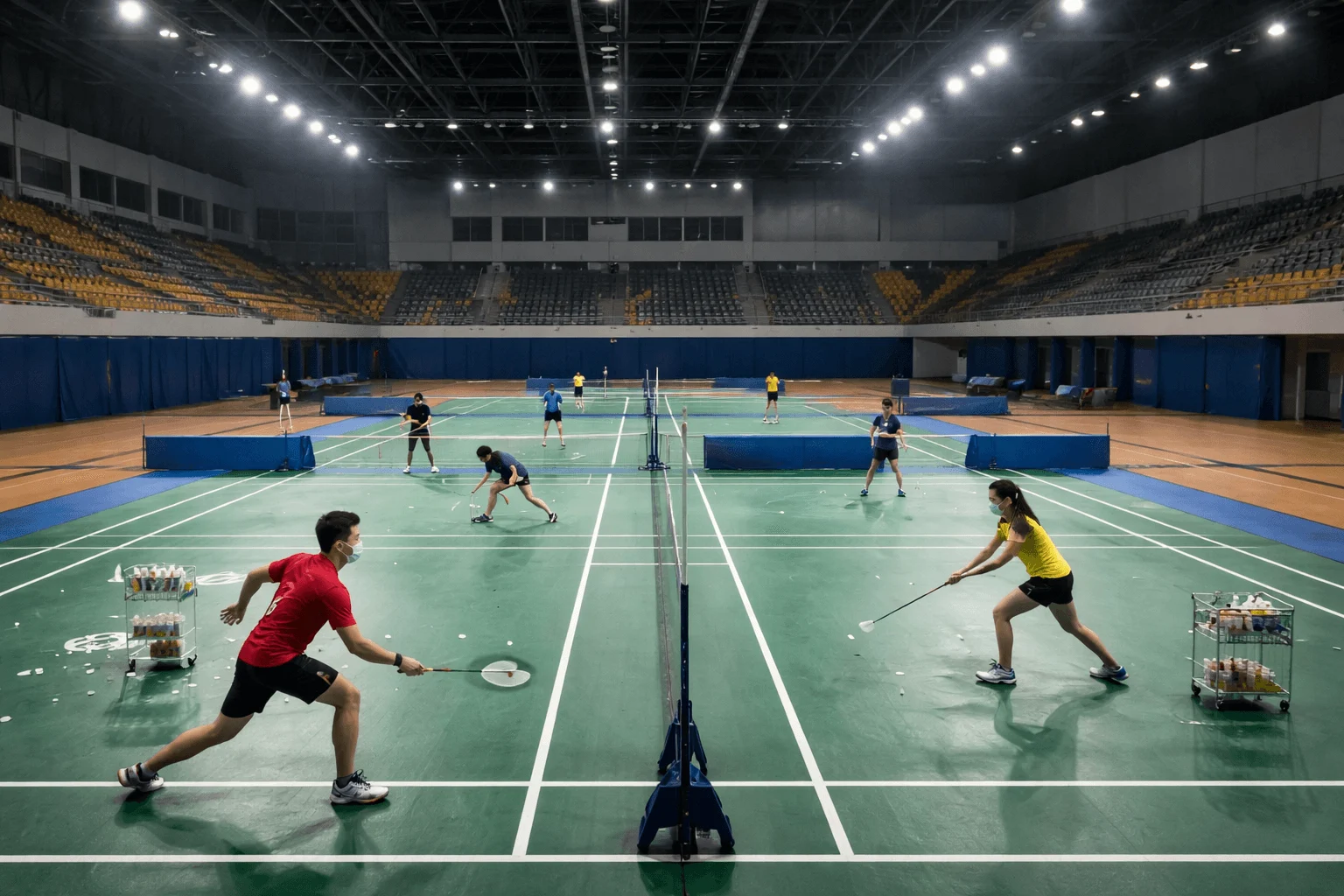
Badminton courts gyms and training academies were among the first facilities to close. Suddenly elite athletes who trained 6 days a week 5 to 8 hours a day were forced to adapt to home training.
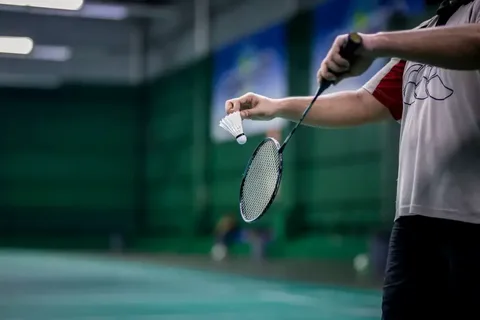
Racket swings were practiced without shuttles footwork was done in hallways shadow training replaced live rallies and fitness sessions used improvised weights water bottles resistance bands and bodyweight circuits.
For the first time coaches began analyzing player movements through video calls. Many players recorded themselves doing smashes net play and footwork drills and sent clips to coaches for correction.
This was the moment remote coaching first became normalized in badminton.
Sports Science and Fitness Got More Attention Than Ever
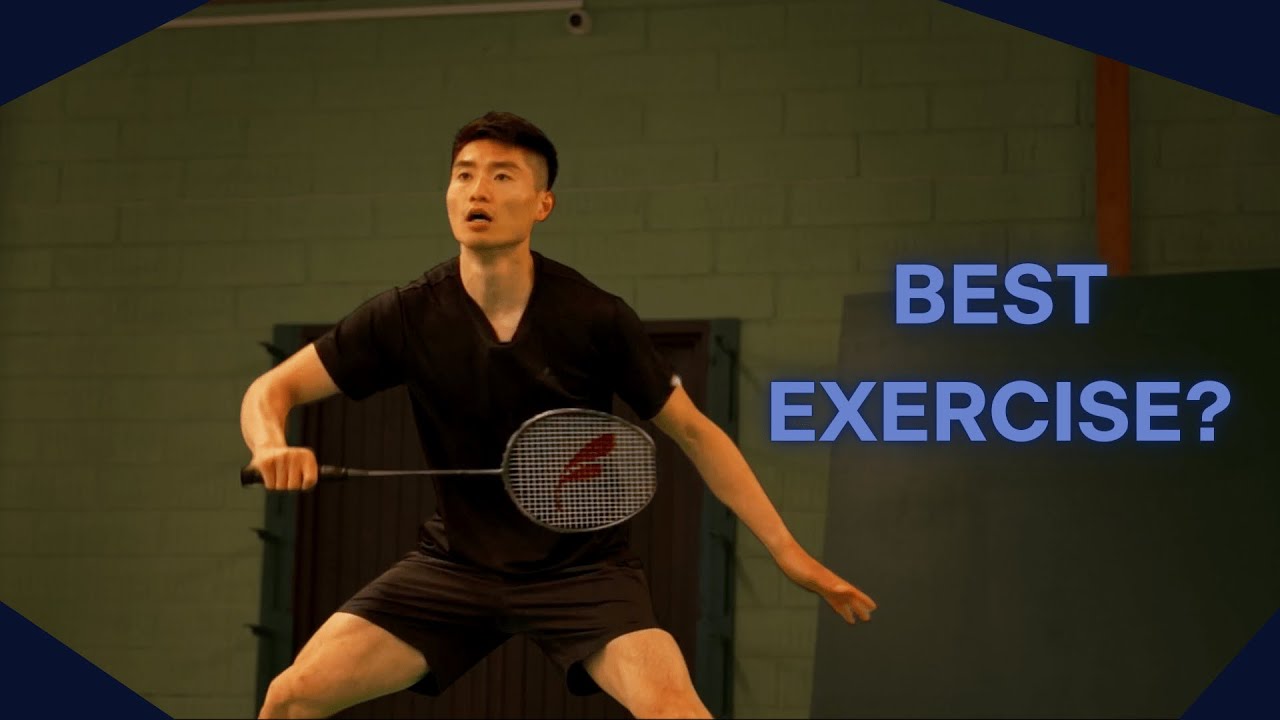
Without regular matches coaches and trainers shifted focus to long neglected areas mobility core strength endurance breathing techniques recovery optimization and injury prevention.
Players who previously depended mostly on court training now spent months improving movement mechanics strengthening stabilizer muscles and enhancing cardio through structured conditioning programs.
This unexpected shift made post COVID badminton more athletic faster and physically demanding than before.
Financial Losses That Shook Federations and Players
Badminton unlike football or cricket does not have massive broadcasting contracts. Most players depend on tournament prize money sponsorships brand deals academies national funding and exhibition matches.
With tournaments canceled sponsors pulled back funding reduced and several national badminton federations faced serious financial stress. Some associations had to cut salaries delay athlete allowances or limit international travel budgets.
Even top ranked players admitted that the pandemic made them realize how fragile sports careers can be when income depends on events that can disappear overnight.
Grassroots academies suffered deeply. Court rentals coaching fees equipment sales local tournaments and training camps were all paused causing many training centers to shut down permanently.
Players Retired Earlier Than Planned
Several international players quietly announced retirement during or right after the pandemic. The break affected motivation fitness consistency financial stability and long term planning.
For some the return felt harder than the climb. Losing rhythm at elite level is brutal and months without competition changed career decisions for many.
The Olympic Games Without the Olympic Atmosphere
Tokyo 2021 Olympics (played in 2021 instead of 2020) was the most unusual Olympics in history. Stadiums were empty celebrations were silent victories felt personal instead of national and media interactions were limited.
Even medal ceremonies were modified without physical crowd roar national anthems played in near silence and athletes could not share their wins with families present in the arena.
This Olympics became memorable not for noise but for emotion discipline and isolation era resilience.
Fan Engagement Shifted Toward Digital Platforms
With no live matches fans turned to YouTube replays documentaries historic match debates online fitness coaching tutorials badminton podcasts player Instagram Q&A sessions and digital fan communities.
BWF began streaming more content online brands promoted home workout drills for badminton players and athletes gained huge social media followings during lockdown by sharing training routines motivational talks diet tips and lifestyle updates.
Badminton fans became more connected online than ever before.
Equipment Innovation and Local Market Growth
With international shipping slowed and global manufacturing affected many countries saw a sudden rise in local badminton equipment brands shuttlecock production facilities training gear suppliers and home fitness equipment demand.
Since players trained at home demand increased for resistance bands recovery tools lightweight indoor training shoes jump ropes core training mats compact agility ladders and swing trainers.
This forced decentralization of equipment markets strengthened local sports industries in many badminton playing countries.
The Rise of a New Coaching Mindset
Post COVID badminton coaching now includes
-
remote video analysis
-
fitness first training cycles
-
hybrid coaching models
-
injury prevention planning
-
workload monitoring
-
mental health awareness
-
adaptable training schedules
Coaches who once focused mostly on repetition now focus on longevity intelligence recovery planning and individualized training.
COVID did not just pause badminton it upgraded coaching philosophy forever.
Athlete Mental Health Finally Became a Real Conversation
Before the pandemic sports mental health was rarely discussed openly in badminton. But isolation uncertainty tournament cancelations financial stress loss of routine injury fear and long months away from competition brought mental wellness into focus.
Federations began hiring sports psychologists coaches added meditation visualization stress control focus building and breathing regulation sessions and athletes openly talked about anxiety motivation dips burnout and uncertainty for the first time.
This shift made badminton training more human more aware and more supportive.
The Long-Term Legacy of COVID-19 on Badminton
COVID-19 left badminton with a new identity
Fewer tournaments but higher intensity
Smarter training instead of just harder
More athletic women’s and men’s game
Digital fan culture dominance
Remote coaching normalization
Fitness science and recovery integration
Local equipment market empowerment
Mental conditioning acceptance
The badminton world after COVID is not the same sport it once was. It is faster smarter mentally stronger and more physically prepared.