
Badminton coaching is evolving faster than ever. What once relied heavily on repetitive drills and manual observation has now entered an era of technology precision and personalized development. In 2025 badminton coaching is no longer just about hitting shuttles harder or running more laps. It is about smarter training deeper analysis and long term athlete development.
From grassroots academies to elite international setups coaches are adopting new methods to keep players competitive injury free and mentally strong. These trends are reshaping how players train how coaches teach and how performance is measured.
This article breaks down the most important badminton coaching trends in 2025 and explains how they are changing the sport at every level.
Data Driven Coaching Takes Center Stage
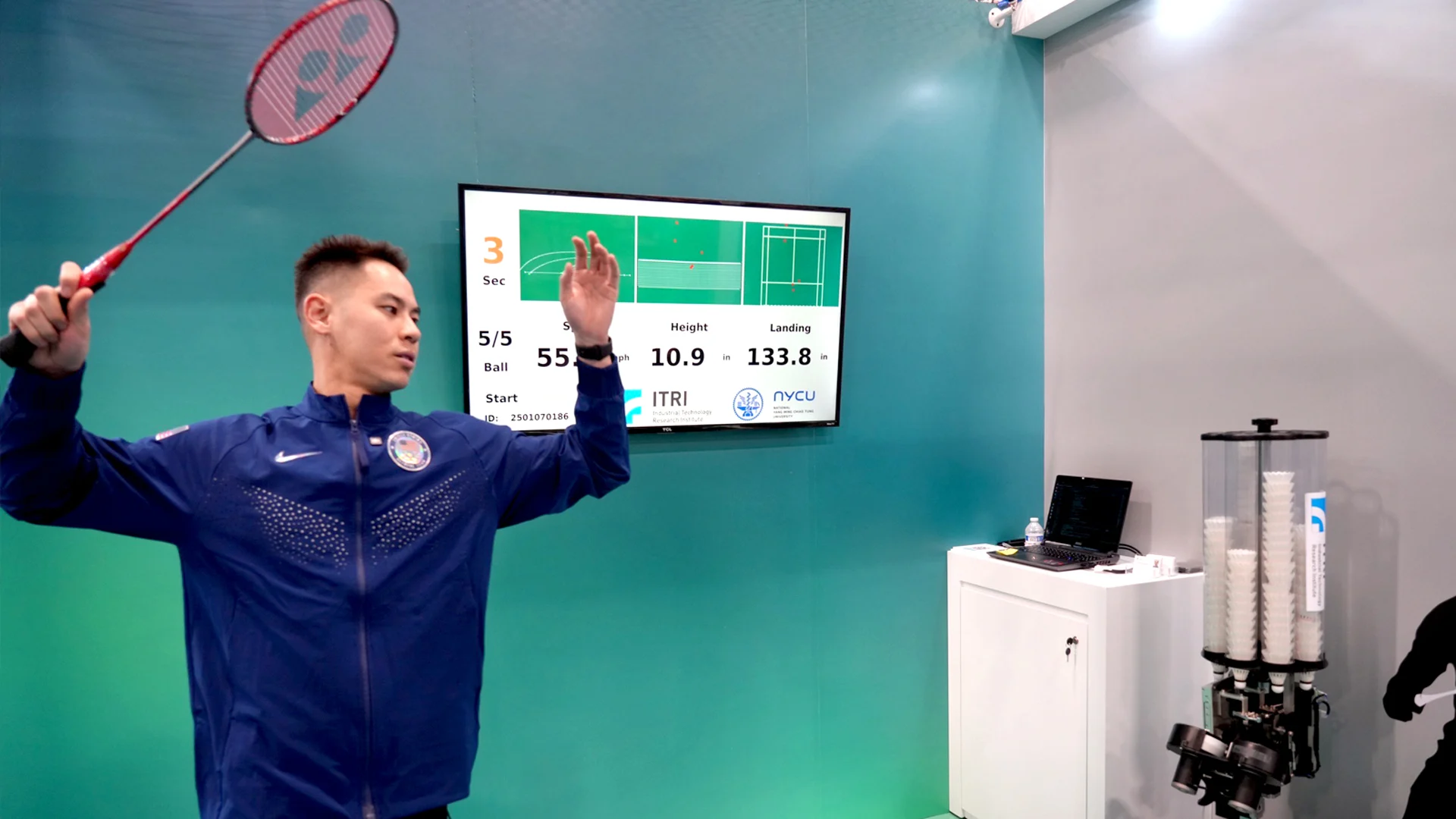
One of the biggest changes in badminton coaching is the shift toward data driven decision making. Coaches are no longer relying only on experience and observation. Training plans are increasingly built around performance metrics such as footwork speed reaction time rally duration shot accuracy and recovery rate.
Players are monitored during training sessions and matches to identify weaknesses and strengths. This allows coaches to design drills that target specific gaps rather than using generic routines. Data driven coaching reduces guesswork and accelerates improvement especially for competitive players.
This trend is especially useful in high intensity badminton where small technical improvements can decide matches at elite levels.
AI Assisted Technique Correction
Artificial intelligence is playing a major role in modern badminton coaching. AI powered video analysis tools can now break down strokes footwork and posture frame by frame. These tools highlight errors that are often invisible to the human eye such as wrist angle inconsistencies timing delays or imbalance during smashes.
In 2025 many academies use smartphone based AI apps that allow players to record practice sessions and receive instant feedback. This makes high quality coaching more accessible even for players without full time coaches.
AI does not replace coaches but enhances their ability to correct technique efficiently and objectively.
Hybrid Coaching Models Are Becoming Normal
Traditional in person coaching is no longer the only option. Hybrid coaching models combining physical sessions with online analysis are growing rapidly.
Players may train physically at local courts while receiving remote feedback from expert coaches through video reviews and online consultations. This model benefits players in regions with limited access to elite coaches and allows top coaches to train more athletes globally.
Hybrid coaching also enables continuous learning where players can review feedback anytime rather than waiting for the next physical session.
Strong Focus on Mental Conditioning
In 2025 badminton coaching places much greater emphasis on mental strength. Coaches now recognize that technique and fitness alone are not enough to win high pressure matches.
Mental training includes focus control stress management confidence building and match visualization. Players are taught how to reset after mistakes handle crowd pressure and maintain tactical discipline during long rallies.
Mental conditioning sessions are often integrated into weekly training programs alongside physical drills. This helps players perform consistently rather than relying on form alone.
Injury Prevention and Recovery Based Training
One of the most important coaching trends in 2025 is injury prevention focused training. With faster rallies and intense schedules injuries have become a major challenge in modern badminton.
Coaches now prioritize mobility stability and recovery as much as skill development. Warm ups are more structured and include joint activation dynamic stretching and movement preparation. Cool downs involve mobility work and controlled breathing to support recovery.
Workload management is also more scientific. Training intensity is adjusted based on player fatigue levels reducing the risk of overtraining and burnout.
Position Specific and Role Based Coaching
Badminton coaching is becoming more specialized. Singles players doubles specialists and mixed doubles athletes now follow different training structures.
Doubles coaching emphasizes communication net play rotation and rapid transitions. Singles coaching focuses more on endurance shot placement and court coverage. Mixed doubles training involves role clarity and tactical coordination between partners.
This role based approach improves match performance by aligning training directly with competition demands.
Fitness Training Tailored for Badminton Movements
Generic gym workouts are being replaced by badminton specific fitness programs. Coaches now focus on movements that mirror match conditions such as lateral lunges explosive jumps rapid direction changes and core stabilization.
Strength training is designed to support faster footwork stronger smashes and better balance rather than just muscle size. Conditioning sessions also simulate match fatigue so players learn to maintain technique under pressure.
This targeted fitness approach improves performance while reducing unnecessary strain on the body.
Younger Talent Identification and Long Term Development
Another major trend in 2025 is early talent identification combined with long term athlete development. Coaches are focusing less on short term wins at junior level and more on sustainable growth.
Young players are trained with proper technique injury awareness and mental skills from an early age. Training loads are carefully managed to protect growing bodies and prevent early burnout.
This long term approach produces more consistent elite players over time rather than early peak performers who struggle later.
Technology Assisted Match Strategy Planning
Match preparation has become more analytical. Coaches now study opponents using match footage and performance data to identify patterns tendencies and weaknesses.
Players are trained to adapt strategies mid match based on opponent behavior. This tactical awareness gives players an edge especially in high level tournaments where margins are tight.
Strategic planning sessions are now a standard part of coaching programs in 2025.
What This Means for Players and Coaches
For players these trends mean smarter training faster improvement and better career longevity. Players who adapt to modern coaching methods gain a competitive advantage and reduce injury risks.
For coaches continuous learning is essential. Those who embrace technology data and modern training science remain relevant and effective. Traditional coaching knowledge combined with modern tools creates the strongest results.