
How to Train for Competitive Badminton Tournaments
Badminton is more than just quick rallies and sharp reflexes—it’s a game of speed, strategy, and stamina. Competing in tournaments requires more than basic skills. It demands a structured training plan, mental resilience, and physical conditioning that allow players to perform at their peak during matches. Whether you’re an aspiring athlete or already competing, learning how to train effectively for badminton tournaments can be the difference between an early exit and a podium finish.
Understand the Demands of Competitive Badminton
Before jumping into training, it’s crucial to understand what makes competitive badminton different from casual play. Matches are longer, opponents are tougher, and recovery time between games is shorter. The sport requires:
-
Explosive speed for quick movements across the court.
-
Strong endurance for maintaining energy over multiple matches.
-
Precision and control for accurate shots.
-
Mental focus under high-pressure situations.
By knowing these demands, you can create a training plan that targets every aspect of your performance.
Build a Strong Physical Foundation
A badminton player’s body must handle long rallies and sudden directional changes without losing balance or speed. Physical training should include:
1. Strength Training
Focus on lower body exercises like lunges, squats, and calf raises to improve stability and jump power. Upper body strength, developed through push-ups, pull-ups, and shoulder presses, helps generate power in smashes and clears.
2. Endurance and Stamina
Cardio workouts such as interval running, skipping, and cycling improve cardiovascular capacity. This allows players to stay energetic throughout extended matches.
3. Agility and Speed
Footwork drills like ladder exercises and side shuffles enhance agility and court movement. The goal is to move faster while conserving energy and maintaining proper form.
4. Flexibility
Stretching and yoga reduce injury risk and improve range of motion, making it easier to reach difficult shots and recover quickly.
Develop Tournament-Level Skills
To succeed in competitive play, skill refinement must go beyond basic strokes.
1. Shot Accuracy
Work on consistent shot placement to control rallies. Drills that focus on targeting specific areas of the court can greatly improve precision.
2. Game Strategy
Study different opponents and learn to adapt. Watching match recordings can help identify weaknesses and strengths in various play styles.
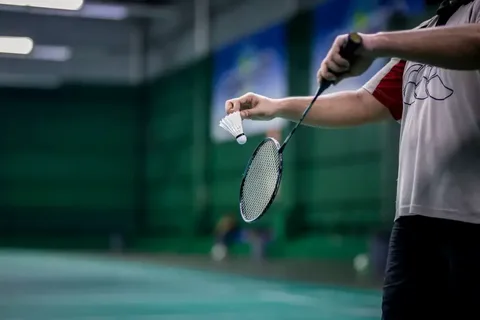
3. Serve and Return Practice
A strong serve sets the tone for each rally. Experiment with both short and flick serves while practicing returns that disrupt your opponent’s rhythm.
4. Recovery and Transition
Train your reaction speed between shots. The quicker you can reset your position after hitting, the more control you’ll maintain over the rally.
Mental Preparation and Focus
Physical skills alone don’t win tournaments—mental strength does.
1. Visualization Techniques
Picture yourself succeeding in matches. Visualizing victory boosts confidence and improves reaction under pressure.
2. Match Simulation
Replicate real match conditions in training. Play mock tournaments or challenge higher-level players to experience the intensity and stress of competition.
3. Handling Pressure
Learn breathing techniques and mindfulness to stay calm during tight games. Focus on one point at a time rather than thinking about the final result.
Nutrition and Recovery
Fueling your body the right way ensures consistent performance.
1. Balanced Diet
Eat a mix of carbohydrates, proteins, and healthy fats. Carbs provide energy for quick movements, while protein supports muscle recovery after intense matches.
2. Hydration
Dehydration can impact concentration and stamina. Drink water consistently throughout the day, especially before and after training sessions.
3. Rest and Sleep
Muscle repair and growth occur during rest. Getting at least 7–8 hours of quality sleep is crucial for maintaining energy and focus.
Create a Tournament Training Schedule
A consistent schedule prepares your body for competition day.
1. Pre-Tournament Phase (4–6 Weeks Before)
Focus on building endurance, improving agility, and mastering footwork drills. Begin refining game strategies and conditioning your mind for competitive play.
2. Tournament Preparation Phase (2–3 Weeks Before)
Reduce heavy strength training and increase match simulation sessions. Concentrate on mental readiness and shot precision.
3. Final Week Before the Tournament
Prioritize rest, stretching, and light training. Review opponent tactics and fine-tune serves, footwork, and mental focus.
Importance of Coaching and Feedback
Working with a qualified badminton coach can help identify weaknesses and correct form errors that are hard to spot on your own. Regular feedback ensures consistent progress, while video analysis can reveal patterns in your play that need improvement.
Conclusion
Training for competitive badminton tournaments requires discipline, structure, and a smart approach. By combining strength, skill, endurance, and mindset training, you’ll be ready to compete confidently and perform at your best when it matters most.