
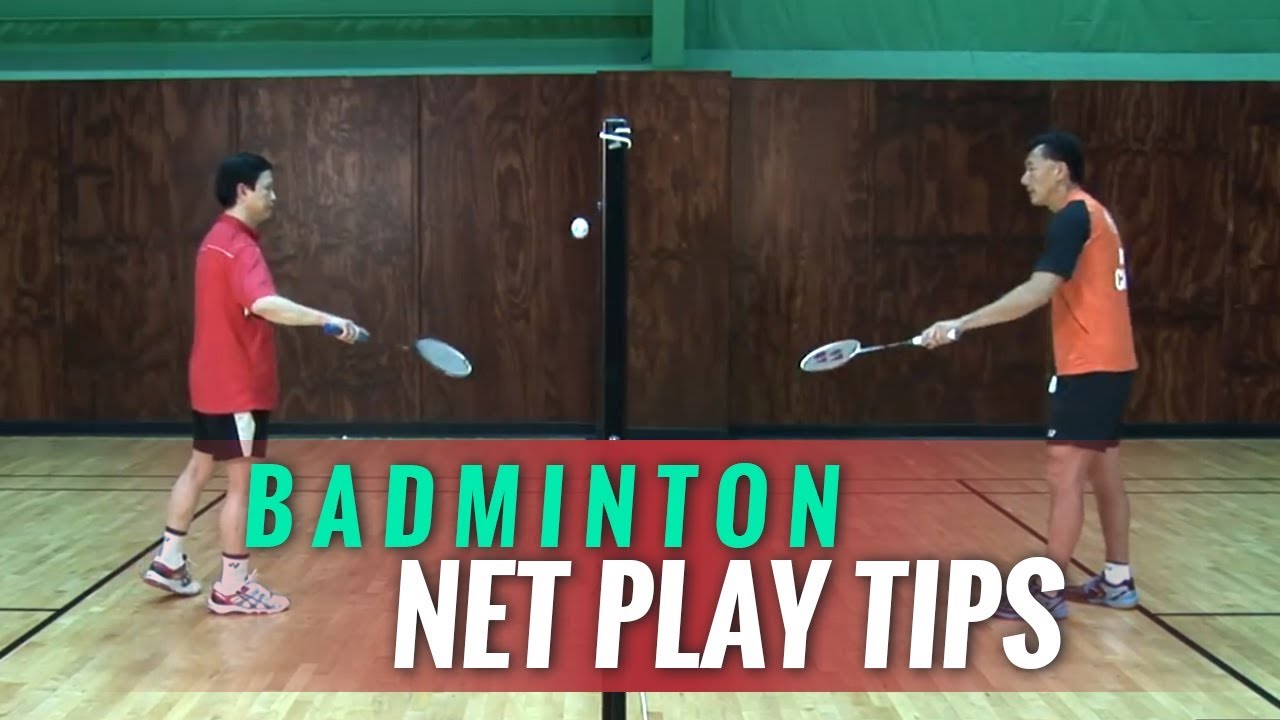
The Art of Controlling the Net in Badminton
Net play is one of the most elegant yet decisive aspects of badminton. Matches are often won or lost in those few inches above the tape — where quick reactions, soft touches, and precise control make all the difference. A well-executed net shot can force your opponent to lift the shuttle, setting you up for a perfect smash.
Mastering net play isn’t just about skillful handwork; it’s about reading the game, anticipating your opponent’s movement, and staying composed under pressure. Let’s explore how to develop a strong and strategic net game that can elevate your badminton performance.
Why Net Play Matters
Net play is the bridge between attack and defense. It allows you to:
-
Force your opponent into uncomfortable positions.
-
Set up winning opportunities through tight net shots.
-
Break the rhythm of long rallies.
-
Control the pace and angle of the game.
Players who dominate the net often control the tempo of the match. That’s why professionals like Tai Tzu Ying and Kento Momota focus heavily on deceptive and precise net techniques.
1. Understanding the Basics of Net Play
Before diving into advanced moves, let’s cover the foundation.
The Goal: Keep the shuttle close to the net, make it fall quickly on the opponent’s side, and minimize lift height to avoid easy counterattacks.
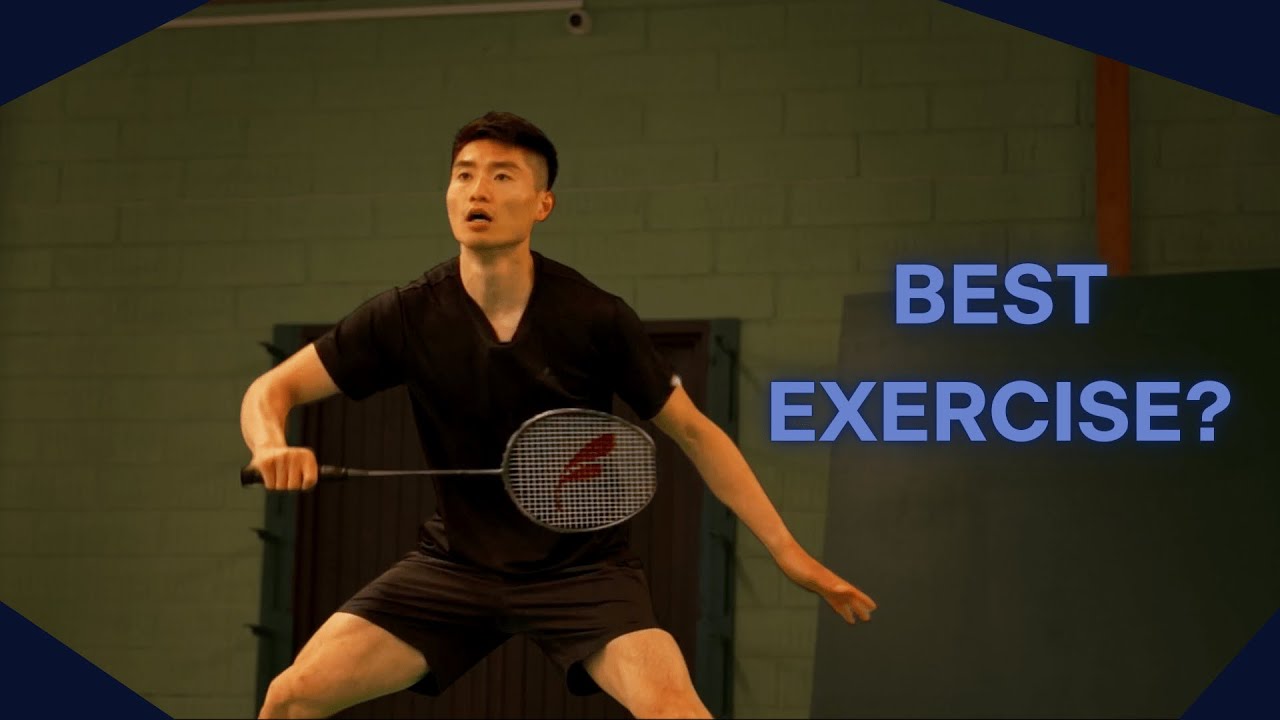
Positioning: Stand just behind the service line with your knees slightly bent, racket raised, and eyes focused on the shuttle. The key is readiness — you must be able to move forward, sideways, or backward instantly.
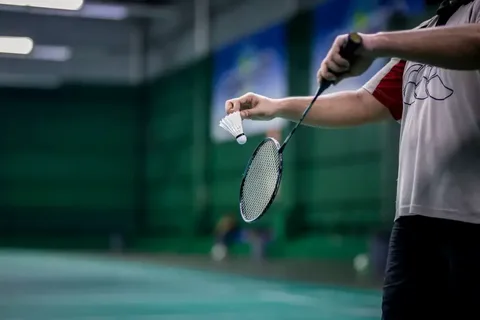
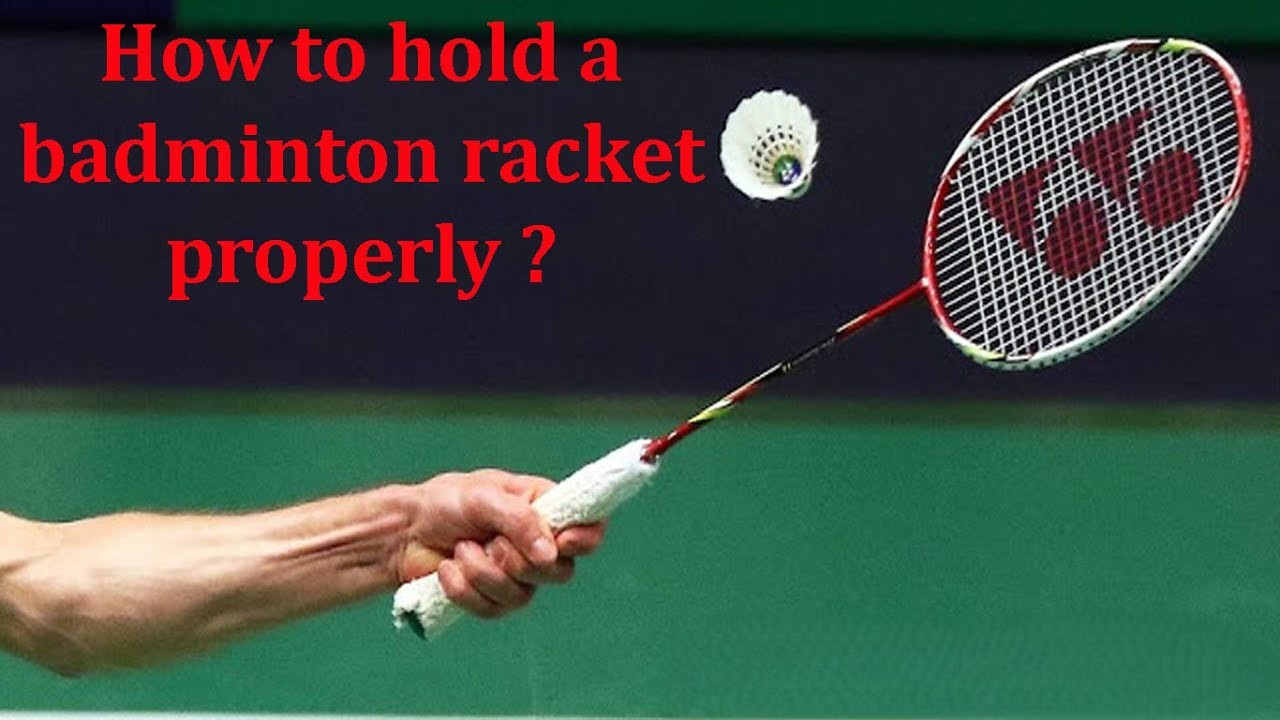
Grip: Use a relaxed forehand or backhand grip, depending on shuttle direction. Avoid a tight grip — a soft hold allows better control for delicate touches.
2. The Correct Technique for Net Shots
A net shot is performed with finesse, not power. The shuttle should barely pass over the net and drop steeply.
-
Keep your racket head slightly above the handle level.
-
Use a gentle push rather than a full swing.
-
Contact the shuttle as high as possible near the net.
-
Maintain a short follow-through to keep the shuttle low.
For right-handers, the racket face should remain open for forehand net shots and slightly turned in for backhand ones. The aim is precision, not force.
3. Types of Net Shots
To master net play, you need to learn several variations — each suited for different match situations.
a. Basic Net Drop Shot
Used to keep the shuttle low and short. Perfect for neutral rallies and building pressure.
b. Spinning Net Shot
One of the most difficult and effective techniques. By slicing the shuttle slightly, you make it spin unpredictably and tumble over the net, making it hard to return cleanly.
c. Net Push
A more offensive shot where you gently push the shuttle past your opponent’s reach. It’s great for countering tight net shots.
d. Net Kill
When your opponent’s return floats too high, you can quickly tap or smash the shuttle downwards. This aggressive net shot demands excellent timing and awareness.
Learning when to use each type makes your net game more dynamic and unpredictable.
4. Footwork for Net Mastery
Precise footwork is what enables smooth net play. Poor movement often results in weak or inaccurate shots.
Key principles:
-
Stay on your toes: Always be ready for quick forward movements.
-
Split step: Just before your opponent strikes, perform a small jump to prepare for explosive movement.
-
Lunge with control: Step forward with your racket leg while keeping your balance low.
-
Recover quickly: After each shot, return to your base position immediately.
Practicing lunges and recovery drills enhances your stability and prevents fatigue during fast-paced exchanges.
5. Developing a Soft Touch
The essence of good net play lies in having a “soft hand.” Instead of hitting the shuttle, you guide it.
Try these drills to build touch control:
-
Feather Touch Drill: Gently tap the shuttle against the wall or with a partner to feel its response to light contact.
-
Target Practice: Place small targets near the net and aim to land shuttles precisely.
-
Spin Practice: Practice slicing across the shuttle’s feathers for spinning net shots.
Over time, your fingers and wrist will develop the sensitivity needed to execute deceptive and accurate net shots.
6. The Role of Deception in Net Play
Net deception is one of the most powerful weapons in badminton. By disguising your shots, you can make your opponent move in the wrong direction and create open spaces.
Some effective deceptive techniques include:
-
Pretending to drop the shuttle but flicking it at the last second.
-
Using similar racket motions for both cross and straight shots.
-
Slightly delaying your shot to throw off your opponent’s timing.
Even small changes in your wrist angle or follow-through can make a big difference in confusing your opponent.
7. Cross-Net Shots – Expanding Your Options
Cross-net shots add variety to your game. Instead of playing straight, you slice the shuttle diagonally across the net, forcing your opponent to move laterally.
How to execute a cross-net shot:
-
Position your body slightly side-on.
-
Slice the shuttle gently across your body using wrist rotation.
-
Keep the trajectory tight and controlled.
This technique is risky but can be extremely rewarding when mastered — especially during doubles matches where court coverage is limited.
8. Common Mistakes in Net Play
Even skilled players can lose points due to minor technical errors. Avoid these common mistakes:
-
Hitting the shuttle too hard and lifting it above net height.
-
Standing too far from the net, losing control.
-
Not recovering quickly after lunging.
-
Using a tight grip that limits racket sensitivity.
-
Failing to anticipate the opponent’s counter.
Correcting these issues will dramatically improve your consistency and confidence near the net.
9. Training Drills for Net Play Improvement
Incorporate these drills into your practice routine:
a. Net Rally Drill – Rally with a partner using only net shots. This builds control and consistency.
b. Lift-Then-Net Drill – Alternate between a lift and a tight net shot to practice recovery and control.
c. Multi-Feed Drill – Have a coach feed rapid shuttles to the front court, forcing you to react quickly.
d. Deception Practice – Practice disguising your shots by using identical racket movements for different outcomes.
Training regularly with these exercises enhances reflexes, precision, and creativity at the net.
The Power of Precision in Front-Court Play
Net mastery is not about power or speed — it’s about precision, timing, and intelligence. When you can control the shuttle at the front court, you dictate the flow of every rally. The ability to keep the shuttle low, disguise your shots, and recover quickly separates advanced players from casual ones.
Developing this skill requires patience and repetition, but once mastered, it becomes your greatest weapon — allowing you to dominate points long before the smash even happens.